Search Results
173 results for “hair follicle”

What to Do for Acute Moist Dermatitis (Hot Spots) in Dogs
Hot spots (also called acute moist dermatitis or pyotraumatic dermatitis) are localized, moist, red lesions of skin caused mainly by self-trauma. Acute moist dermatitis is a common skin disease in dogs. It often appears in long-haired and thick-coated breeds and is more common in summer.

Symptoms of Demodectic Mange (Demodex) in Dogs
Demodectic mange is a very common skin disease in dogs, caused mainly by abnormal proliferation of Demodex mites. Every species, including humans, has its own mites. Demodex rarely causes disease in cats, horses, cattle, or people because it is not contagious. This article lists the skin signs and the juvenile and adult forms.

Why Has My Samoyed’s Coat Turned Yellow?
A slight yellow tint is normal in Samoyed puppies and usually whitens with age, but a pure-white adult turning yellow deserves a look. Causes include missing trace elements, a harsh shampoo that harms follicles, or simply not being purebred—and balanced nutrition usually restores the coat.
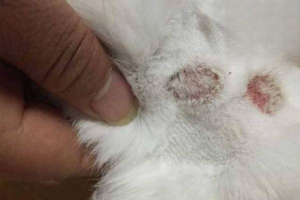
Cat Ringworm: Symptoms and Home Care
Ringworm strikes when a cat's immunity dips, breaking hairs and leaving ring-shaped bare patches. It can pass to people, so isolate the cat, disinfect with iodine, and use a vet-approved antifungal spray plus vitamin B.

How to Treat Skin Disease in a Poodle (Teddy)
Poodles have dense, curly coats that trap moisture and parasites, making them especially prone to mite-driven skin disease in hot weather. Red, itchy bumps, hair loss, and constant rubbing against furniture signal infection. Treatment pairs a topical parasiticide with an oral dewormer, plus a medicated ointment for severe cases, and omega fish oil to aid coat recovery.

Why Your Corgi Has Red Bumps
Red bumps on a Corgi usually signal folliculitis caused by bacteria, fungus, or Demodex mites. Keeping the coat clean, the living space dry, and the dog away from infected dogs prevents most outbreaks.

Common Causes and Treatment of Ringworm in Cats, Dogs, and Rabbits
Ringworm (dermatophytosis) is a highly contagious, zoonotic fungal infection that strikes animals with weak skin immunity — especially youngsters and those in damp, dirty surroundings — and can pass to humans. Treatment means isolating the pet, clipping and disinfecting lesions, antifungal sprays or ointments (plus oral antifungals and B-vitamins for severe cases, with liver support), and thorough environmental cleaning; rabbits need ivermectin-based mite control to prevent it. Keep the home dry and ventilated, bathe sparingly with pet shampoo, and use a little sunlight to stop outbreaks before they start.

Bathing a Dog with Sensitive Skin
Wet fur reveals hidden skin problems, so bathe a sensitive-skin dog with care: a non-slip mat, cool-to-lukewarm water, gentle massage (never against the grain), thorough rinsing, ear cleaning, and careful drying. Bathe every 7–10 days in warm seasons, 10–20 in cold — or as your vet directs.

How to Identify Dog Skin Problems
Dog skin disease is common and has many causes. The big three are external parasites (fleas, lice, ticks), mange mites (demodectic and sarcoptic), and allergies (acute or chronic) — each with distinct signs, and a vet confirms mites or infection under the microscope before you treat.

Caring for Your Dog’s Coat
Dry, dull, or thinning fur usually means an unhealthy skin and coat. Fix it at the root: keep the living space clean, feed quality protein and omega-3 fish oil, bathe less with dog shampoo only, and control weight to aid circulation—plus daily brushing to stimulate the follicles.