Search Results
173 results for “hair follicle”
My dog has an infection on its belly and genitals (see photo)
From the photo, the dog likely has bacterial folliculitis, or possibly insect-bite or parasite-induced dermatitis. Folliculitis is a superficial bacterial infection of hair follicles and surrounding skin, common in dogs on damp floors or with poor genital hygiene during heat. Keep the area clean and prevent licking.
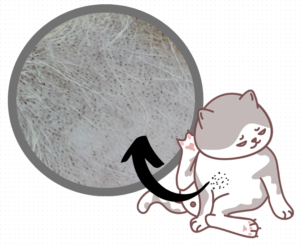
What Are the Black Dots on My Cat’s Skin?
Those little black specks on your cat's chin, tail, or belly are usually the early sign of folliculitis—clogged, infected hair follicles that look like human blackheads. It is common, mild, and very treatable with gentle local cleaning, a lighter diet, and a few daily-habit tweaks. Here is how to recognize it and clear it up.

Why does my dog have black spots on its skin?
Black spots on a dog's skin are usually harmless — they often appear with age as normal pigment deposits (age spots) from metabolic changes. They can also follow a skin infection that damaged the hair follicles, in which case the marks typically fade over time, or result from sunburn in short-coated dogs that spend a lot of time outdoors.
Why does a patch of my cat’s skin have no fur and show raw pink skin?
Patchy fur loss that exposes raw skin in cats usually means one of several things: the cat pulling out its own fur from itch or anxiety (watch for incontinence or mood changes), ringworm (hair loss with scaling, needing vet screening), or damaged hair follicles from trauma or a recent injection. Each needs a different approach, so a vet check is the safe call.

Basal Cell Tumors in Dogs and Cats
Basal cell tumors are common, usually slow-growing skin tumors of dogs and cats that arise from the basal layer of the epidermis or hair follicles. Most are benign and stay confined to the skin, though larger ones can ulcerate. Complete surgical removal is typically curative.

Furuncles and Furunculosis in Dogs and Cats
A furuncle is a localized skin abscess around a hair follicle; repeated or widespread furuncles are called furunculosis. They appear as small, painful pus-filled bumps and can progress to deep pyoderma. Good hygiene, parasite control, and veterinary care limit spread.

Folliculitis in Dogs and Cats
Folliculitis is inflammation of the hair follicles, often from bacteria, mites, or hormone imbalance. It causes hair loss, itching, and red, swollen skin, and can spread into deeper infection. Early diagnosis and antimicrobial care prevent it from becoming deep pyoderma.

Demodicosis in Dogs and Cats (Demodectic Mange): Symptoms, Treatment, and Prevention
Demodicosis is a skin disease caused by Demodex mites living in hair follicles and oil glands, producing localized or widespread hair loss, redness, and scaling. Most dogs carry the mites harmlessly, but stress, illness, or immune weakness allows outbreaks that need veterinary antiparasitic treatment.

How to Treat Black Chin (Feline Acne) in Cats
Cat chin acne (feline acne) is a skin condition in which hair follicles become clogged and inflamed, producing blackheads and sometimes infected bumps on the chin. Most mild cases improve with regular gentle cleaning, while secondary infections need topical or oral medication.

Symptoms and Treatment of Demodicosis (Mange) in Pets
Demodicosis (red mange) is a skin condition caused by mites that live in hair follicles. Most pets carry them harmlessly, but an overgrowth causes hair loss, blackheads, and crusting. Learn the signs, how it is diagnosed, and how it is treated.