Search Results
173 results for “hair follicle”

Medications and Care for Common Pet Injuries: Fractures, Sprains, Burns, and Wound Infections
Pets can suffer fractures, sprains, burns, bee stings, snake bites, and wound infections, especially outdoors. Prompt first aid prevents infection and permanent damage. This article covers causes, symptoms, and the medications for each.

What Medication for Canine Bacterial Folliculitis
Both fungi and bacteria cause dog folliculitis, but bacterial cases take longer to treat than fungal ones, so patience is needed. This article covers the medications and methods for bacterial folliculitis.

What to Do When a Cat’s Tail Folliculitis Causes Heavy Shedding
Tail folliculitis in cats, also called 'stud tail,' causes hair loss and redness from overactive sebaceous glands. Treatment means adjusting diet, cleaning, medicated baths, and sometimes neutering. Once the folliculitis clears, the hair grows back.

How to Treat Feline Chin Folliculitis (Black Chin)
Cat chin folliculitis, or 'black chin,' comes from excess sebum production. Treatment combines a skin spray, ointment, and dietary adjustment. This article covers the symptoms, causes, and medications.

What to Do When a Golden Retriever Sheds Excessively All Over
Heavy full-body shedding in a Golden Retriever may be a skin disease or seasonal shedding. Don't panic - find the cause first, then treat it. Fur usually grows back if the follicles are not damaged. This article explains the causes and solutions.

Dog Neck Folliculitis: Spray and Topical Treatment
Most dog folliculitis comes from blocked follicles and secondary bacterial infection, so an antibacterial spray is the right choice. For severe cases, combine it with a medicated bath and oral antibiotics. Folliculitis is generally not contagious to people, except when caused by MRSA.

Can Erythromycin Ointment Treat Dog Folliculitis?
For mild dog folliculitis, cleaning with diluted alcohol then applying erythromycin ointment at home often works, and mild cases can clear in about five days. But if mites or hormones are the cause, or pyoderma has set in, erythromycin alone isn't enough and a vet-prescribed plan is needed.

Why Dogs Scratch Their Eyes Constantly
Constant eye-scratching usually means irritation—ingrown lashes, inflammation, a foreign body, or periorbital skin disease. Find the cause at a vet and always use an Elizabethan collar to stop the scratching.
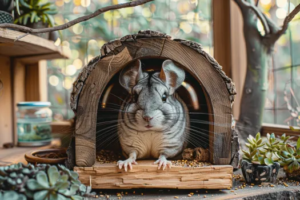
What Is a Chinchilla’s Personality Like? Key Things to Know Before You Get One
Chinchillas—also called velvet rats—have dense, soft fur and a gentle, non-aggressive temperament, which makes them a favorite pet. This article covers their fur, personality, lifespan, and diet so new owners know what to expect.
After arriving home it had diarrhea and a red, swollen anus; after the anus healed, no fur grew on the tail. Feels like ringworm but no dandruff. Photo 1 is the early diarrhea, photo 2 is now.
The tail hair loss doesn't look like ringworm; it's likely severe diarrhea caused wound inflammation and infection, then follicle damage after scabbing, so fur won't grow. Follicle repair takes time; give lecithin and vitamins. Severe follicle damage may be permanent.