Search Results
3525 results for “gut”

What Your Dog’s Waste and Walk Reveal About Its Health
Beyond temperature, pulse, and weight, a walk is the best window into your dog's health — watch its gait, expression, and the color and shape of its urine and stool. Red or dark urine can mean bleeding, cloudy urine an infection, shiny urine crystals, and orange urine jaundice; soft, bloody, or black stool points to digestive trouble. Catch these early and bring a fresh sample to the vet.

Common Winter Feeding Mistakes for Dogs
As temperatures drop, many owners overfeed their dogs to 'build winter fat,' but that backfires. The real winter risks are digestive upset from sudden diet changes, pancreatitis from too much meat, obesity from sweets, and dehydration from dry indoor air. Keep portions steady, offer warm water under 20°C, and aim for balanced, smaller frequent meals with regular exercise.

How to Feed and Raise a Puppy
Feed a puppy small meals about four times a day on a fixed schedule to protect its delicate stomach, and never use human milk — use a proper puppy formula mixed into soaked kibble. Keep vaccines on schedule (the first distemper/parvo shot around three months), balance food with short 15–30 minute outings, and let a new arrival settle in before feeding.

Cat Cold: Symptoms, Care, and Prevention
A cat's normal temperature runs 38.0–39.6°C; a dry nose and warm ears hint at fever, and any sick cat needs easy food plus water (a pinch of salt per 100 ml, syringed if it won't drink). Keep the environment clean, warm in winter, and well-ventilated in summer, and take the cat to a vet promptly if symptoms worsen or it stops eating, drinking, or breathing easily.

Dog Has Diarrhea but Still Acts Fine — What’s Going On?
A dog with diarrhea but normal energy still needs the cause found — usually parasites, a reaction to new food, bacteria, a swallowed object, or a drug side effect. At home, rest the gut with a 12–24 hour fast (water only), then a bland boiled-meat-and-rice diet reintroduced slowly over four days, plus probiotics and fiber; see a vet if it persists or a chronic issue like kidney disease is suspected.
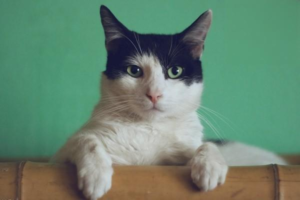
What to Do When a Cat’s Cold Leads to a Respiratory Infection
A winter cold can escalate into a serious upper respiratory infection, especially in kittens — one case took a month to recover and needed force-feeding because a blocked nose killed the appetite. Keep the cat warm but ventilated, boost immunity with nutritional paste and probiotics, skip baths, and complete the three-shot vaccine course starting at two months.

Treating E. coli Infection in Dogs and Cats
Colibacillosis is an acute intestinal infection of young dogs and cats caused by pathogenic E. coli, marked by fever, vomiting, and foul-smelling diarrhea that can turn fatal. It mimics many other diseases (distemper, parvovirus, salmonellosis), so a lab test is needed for diagnosis; treatment is antibiotics chosen by sensitivity testing plus strict hygiene and early colostrum.

Why You Should Leash Your Dog Outdoors
Keeping your dog leashed outdoors is responsibility to others and to your own pet. Off-leash dogs can bite children or the elderly — spreading rabies or tetanus and creating legal liability — get hit by cars, flee in fright, chase other dogs, eat spoiled or poisoned trash, catch parvovirus or distemper from sniffing urine, or be stolen. A leash keeps the dog in sight and out of trouble.

How to Use Dog Dental Chews Safely
Dental chews come in three kinds — rawhide or bone rolls (treats that also help the teeth), dedicated chew bones (for cleaning and teething comfort), and rope or plastic toys. Pick the right size and hardness, supervise gnawing so it does not go on too long, avoid dyed chews for white-coated breeds, and replace them regularly so bacteria do not reach the gut and cause diarrhea.
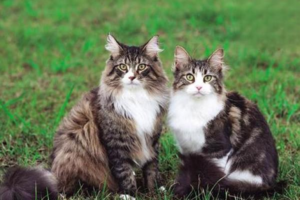
Causes and Treatment of Clear Mucus in Cat Stool
Clear mucus in a cat's stool can mean gut trouble, intestinal parasites, or panleukopenia, and ignoring it can lead to worse illness. Parasites from raw food and missed deworming need a dewormer or fecal test; diet-driven gastroenteritis calls for a short fast, then cat-specific anti-inflammatories and probiotics; and yellow-green vomit with repeated fever points to panleukopenia, which needs a vet at once.