Search Results
3525 results for “gut”
What to Do When a Feverish Cat Won’t Eat
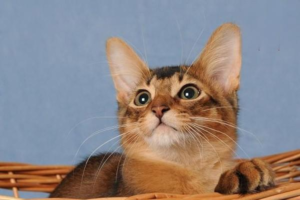
A cat that stops eating risks dehydration, so stimulating appetite during a fever is important. Help by offering tempting foods, using probiotics for gut balance, syringe-feeding if there's no vomiting, and giving IV fluids for severe cases. Always address the underlying cause of the fever.

Why Spring Parasite Control Matters for Pets
Spring is peak parasite season, and both internal and external parasites threaten pets and can spread to people. Deworm puppies monthly until six months, then every 2–3 months internally and monthly externally; use vet-recommended products and follow dosing carefully.

What to Do If Your Dog Catches Parvovirus (Parvo)
Canine parvovirus (CPV) is a highly contagious, often fatal disease of dogs, especially puppies, causing severe vomiting and bloody diarrhea. Treatment is supportive — fluids, antivirals, and symptom control — alongside vet care. The enteric form (most common) is described here, with a home med list including amoxicillin, probiotics, glucose, and an anti-nausea drug.

Common Illnesses Dogs Face in Summer
Summer raises a dog's risk of heart trouble, colds, skin pests, gut disease, and heatstroke, with flat-faced and senior dogs most vulnerable. Keep exercise moderate, food fresh, parasites controlled, and never let a dog bake in the heat.
What You Should Know About Vomiting in Cats and Dogs
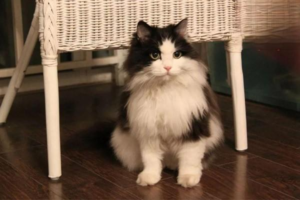
Vomiting in pets splits into physiologic, from eating too fast or wrong food, and pathologic, from disease. Causes range from diet and gut issues to toxins and organ disease, and the timing of vomiting hints at the source, so see a vet when signs persist.

A Complete Guide to Spaying or Neutering Your Cat
The best time to neuter is after sexual maturity, around 5 to 6 months, with a vet check and blood work first. Weigh the real benefits, fewer cancers and roaming, against risks like weight gain and anesthesia, and follow strict after-care to heal cleanly.

Why Does My Dog’s Poop Have Mucus?
A little clear mucus on the end of a stool is normal, it is the gut's lubricant, but discolored mucus, black, tarry, red, or gray, signals bleeding or excess fat. When mucus is heavy or paired with vomiting and diarrhea, it is time for the vet.

How to Help Your Cat Develop Cheek Fluff
Cheek fluff, a round full face, appears mainly in male cats of certain breeds like British and American Shorthair, driven by genetics and diet, usually from 11 months on. Feed low-salt quality food, add meat and supplements, keep it active, and note neutering before fluff sets in prevents it.
Why Your Cat Has Bad Breath
Cat bad breath usually traces to dental caries from soft food, mouth infections, poor digestion, or a vitamin B shortage. Brush the teeth, ease the gut with probiotics, and add B vitamins, and see a vet when the cause is unclear.

Why Your Cat Won’t Eat, Looks Lethargic, and Is Losing Weight
A cat that stops eating grows weak and thins fast, and prolonged refusal can be fatal, so find the cause. Look to gut disease, viral infection like panleukopenia or rhinotracheitis, parasites or hairballs, or unspent heat, and see a vet when unsure.