Search Results
3532 results for “gut”

How to Spot Ringworm on a Ragdoll Cat
Ragdolls get ringworm like any cat, usually from a home with fungal spores or contact with an infected cat. Watch for relentless scratching, biting at the tail, hair loss, scabs and small red bumps. Treatment runs five to six weeks and needs consistency.

Canine Parvo: How Long Until a Dog Is Out of Danger?
Canine parvovirus is fast and deadly, but a dog that survives the first critical days of treatment has a strong chance of recovery—roughly ten days of active care is the milestone owners watch. There is no single cure; vets combine immune support, gut protectants and fluids. Start treatment immediately.

How to Treat Canine Distemper
Canine distemper will not clear on its own and spreads easily, so isolate the dog and start treatment at once. Its hallmark is a fever that spikes, drops and returns. Care centers on a vet-prescribed supportive combination plus close temperature monitoring and fluids.

Cat Vomiting Yellow Fluid Several Times a Day: What to Do
Vomiting yellow fluid multiple times a day is not normal and can stem from parasites, infection, empty-stomach acid, gut disease or something eaten. Hair in the vomit points to a hairball. Frequent vomiting dehydrates fast, so identify the cause and get veterinary help if it persists.

What to Do When Your Cat Has Watery Diarrhea
Watery diarrhea in cats can signal anything from routine enteritis to serious feline panleukopenia, and the right treatment depends on the underlying cause. Bloody stool, vomiting, fever or weakness means urgent veterinary care. Supportive care at home helps only once the cause is identified.

Why Is My Cat’s Belly Making Noise?
Gurgling or rumbling from a cat's stomach is usually normal gut motility, but frequent or loud noise can signal digestive trouble. It often precedes diarrhea and may point to a chill, stress, diet change, parasites or unbalanced gut flora. Watch for accompanying signs and adjust diet or seek care as needed.

What to Do When Your Cat Sneezes Blood
Blood in a cat's sneeze points to parasites or feline rhinotracheitis (cat flu) — both need a vet check. Deworm for parasites; for rhinotracheitis, treat the virus with eye drops and vet-prescribed medication plus immune support.
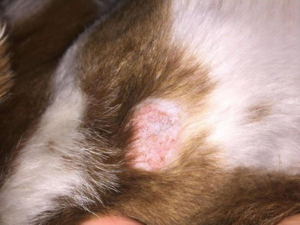
Can Dog Fungal Infection Be Cured?
Yes — fungal infection (dog ringworm) is curable but stubborn, so treat at once to stop it spreading. Isolate, collar, disinfect with povidone-iodine, apply antifungal ointment and spray, and keep the environment clean.

Why Is Your Dog Throwing Up Yellow Foamy Fluid?
Yellow, foamy vomit points to a gut problem such as gastroenteritis. Withhold food, offer water to settle the stomach, use a vet-formulated anti-vomit remedy, and see a vet if fever or diarrhea appears — puppies need a distemper/parvo check first.

Signs Your Dog Is Dehydrated
Long-term lack of water leads to dehydration and urinary stones. Watch for loose skin, dry nose, sunken eyes, and low energy; offer clean water and a probiotic for appetite, and see a vet for stones.