Search Results
3532 results for “gut”

Canine Gastroenteritis
Gastroenteritis is inflammation of the stomach and intestinal lining, showing up as digestive upset, abdominal pain, diarrhea, fever, or toxemia. It can be primary or secondary, and the main job at home is to rest the gut, then reintroduce food and water carefully.

How to Tell If Your Dog Has a Fever
The most reliable sign of fever is body temperature: a puppy's normal range is about 38.5–39°C, best measured rectally. Watch also for rapid hot breathing, low energy, dry peeling nose, and poor appetite — then confirm with a thermometer.

How to Bathe and Deworm Your Cat
Regular deworming protects both your cat and your home. Plan on an internal dewormer every three months and an external one every month, and always bathe your cat before applying a topical product so the treatment can work.

What to Do About a Puppy’s Pus-Like Nasal Discharge
Puppies get runny noses often, and some discharge is normal, but thick pus-like discharge with sneezing, dried mucus, low appetite and sleepiness signals illness. Warm the pup, confirm fever, and treat a cold or respiratory infection; severe cases need the vet.

Cat Has Smelly Yellow Diarrhea but Still Acts Normal
Smelly yellow diarrhea with normal energy usually points to diet—spoiled food, too-hard kibble, or toxins. Stress, overfeeding and chills also trigger it. Fast half a day, use a probiotic and keep the cat warm; persistent or toxic cases need a vet.
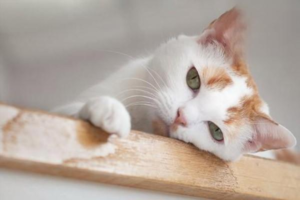
How to Treat Cat Gastroenteritis
Gastroenteritis is common in cats—their digestion handles grains and sharp bones poorly, and spoiled food can trigger acute gastritis. Signs are vomiting, diarrhea, lethargy, appetite loss and dehydration. Withhold food briefly for mild cases, but persistent symptoms, especially in kittens, need a vet.

What to Do When Your Dog Won’t Eat
A dog that suddenly loses interest in food and thins down needs attention—the cause is often diet. Look at weak gut from people food, parasites, internal illness, or learned pickiness. Match the fix to the cause, and never feed a dog like a person.

When Should a Kitten Be Dewormed?
Kittens can be dewormed from about 2–3 months of age; internal and external deworming are separate steps. Always dose by weight and age—too much harms the cat, too little does nothing. Weak kittens should wait until 4 months, and pregnant cats only after the kittens are weaned.

How Long to Wait Between Deworming and Vaccination for Cats
Both deworming and vaccination protect your cat, but they shouldn't be done together—allow about two weeks between them. A vaccine builds antibodies only in a healthy cat, so doing both at once stresses the gut and can blunt the immune response. Vaccinate from 8 weeks of age once the cat is settled and well.

What to Do If Your Teddy (Poodle) Gets Indigestion From Mango
Teddy (Poodle) dogs can eat a little mango, but it is a stimulating fruit and too much irritates the gut, causing indigestion and diarrhea; allergic dogs should avoid it entirely. A probiotic eases indigestion, while diarrhea calls for short fasting plus a vet-recommended antidiarrheal.