Search Results
3532 results for “gut”

Kapuas Mud Snake
The Kapuas Mud Snake (also called the color-changing snake) is found in swamps and swamp forests along Indonesia's Kapuas River. A rear-fanged colubrid discovered only around 2005, it is venomous but not yet kept as a pet.

Texas Map Turtle
The Texas Map Turtle lives in the Colorado River basin of the Edwards Plateau in Texas and is a relatively common map turtle, though priced higher; it resembles the Mississippi Map Turtle and is sometimes hard to tell apart. It is the smallest-shelled of all map turtles, with no prominent keel.
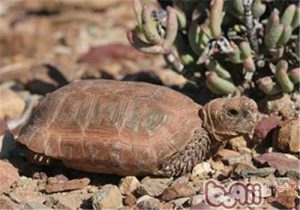
Boulenger’s Cape Tortoise
Boulenger's Cape Tortoise (Homopus boulengeri) is a rare and little-studied tortoise from South Africa's Karoo region, resembling the Speckled Cape Tortoise but slightly larger and reaching up to 13 cm. Few are kept in captivity, and conservation awareness for this species remains limited.

Creaser’s Mud Turtle
Creaser's Mud Turtle (Kinosternon creaseri) is a lesser-known mud turtle with a dark shell and pale head. Known for its aggression and strong territoriality, it is rarely kept in captivity and seldom seen in the market.

Mud and Musk Turtles (Egg Turtles)
The 'egg turtle' is not a single species but the common nickname for the family Kinosternidae — mud turtles and musk turtles — named for their smooth, egg-shaped carapace. Mostly North American, they are popular, interactive pets, but each species differs in size, care difficulty and husbandry, so research the exact species before buying.

Canine and Feline Gastrointestinal Carcinoma
Gastrointestinal carcinoma is an uncommon but serious gut cancer in dogs and cats; when it arises in the stomach it thickens the wall and leads to ulcers and infection. Early surgical removal offers the best chance, while advanced cases — especially rectal — carry a poor outlook.

Canine and Feline Gastrointestinal Adenoma (Polyps)
A gastrointestinal adenoma, also called a polyp, is a benign gut growth seen more often in dogs than cats and can appear anywhere in the digestive tract. Surgical removal usually cures it, though rectal polyps tend to return.

Canine and Feline Urticaria (Hives): Symptoms, Treatment, and Prevention
Urticaria, or hives, is an acute allergic skin reaction in dogs and cats that produces sudden, well-defined wheals and itching, usually fading within a day or two. Identifying and removing the trigger is the key to treatment and prevention.

Ataxia Syndrome in Dogs and Cats: Symptoms, Treatment, and Prevention
Ataxia syndrome is incoordination of the limbs from disease of the central nervous system, peripheral nerves, or the limbs themselves, often secondary to infection, poisoning, or inflammation. Signs vary by cause - from whole-body illness to local swelling, fracture, or tendon rupture. Treatment targets the underlying disease.

Toad Poisoning in Dogs and Cats
Toad poisoning occurs when dogs or cats bite toads or lick toad eggs, skin secretions, or venom on wounds. Signs include heavy drooling, vomiting, irregular heartbeat, and seizures. Immediate flushing of the mouth and urgent veterinary treatment are critical.