Search Results
3544 results for “gut”

Rabbit Vitamin A Deficiency
Vitamin A keeps rabbit mucous membranes intact and vision sharp; deficiency, worst in winter and early spring, brings slow growth, weak coat, nerve signs, eye damage (conjunctivitis, keratitis, even ulceration), and in pregnant does premature birth or dead malformed kits. It stems from low-carotene feed, poor gut or liver absorption, or vitamin loss in storage. Diagnose by history, lesions, and plasma vitamin A below 0.2 to 0.3 mg/ml.
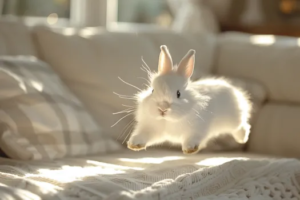
Rabbit Mycotoxin Poisoning: Symptoms and Control
Mycotoxin poisoning in rabbits comes from moldy feed, peaks in hot humid summer, and hits lactating does hardest with no contagion and poor drug response. Acute signs are appetite loss, irregular stools, staggering, and death in 2 to 4 days. Prevent it with strict feed storage and anti-mold additives, and treat by stopping the moldy feed and giving glucose, vitamins, and antifungal drugs.
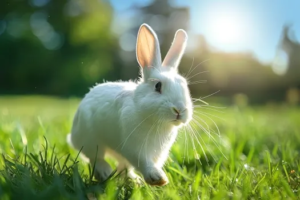
Rabbit Hairball Disease: Causes and Treatment
Hairball disease, common in long-haired rabbits, comes from swallowing too much fur and blocks the gut with constipation, bloating, and sometimes death. Causes range from cramped cages and poor diet to vitamin or mineral gaps and skin disease. Prevent it with full-ratio feed, isolation of fur-eaters, and regular grooming; treat with vegetable oil and enzyme tablets to pass the mass.

A Turtle’s Main Nutritional Needs
A turtle needs protein, fat, carbohydrates, minerals and vitamins; a lack of any stalls growth, causes disease and can be fatal. Protein demand falls with age (hatchling > juvenile > breeder > adult) and must be animal-based; fat carries vitamins A/D/E/K but rancidizes if not stored cold and sealed; starch is best around 22.7–25.3%. Captive turtles also need added calcium, phosphorus and a complex vitamin mix.
Preventing and Treating Rabbit Paratyphoid (Salmonellosis)
Rabbit paratyphoid (salmonellosis) is a zoonotic infection spread by contaminated feed and water, rodents, and flies; signs range from sudden death to diarrhea, wasting, and abortion in pregnant does. Control it by excluding vectors and vaccinating does, and treat with chloramphenicol, oxytetracycline, streptomycin, or sulfonamides.

How to Choose, Clean and Disinfect Your Dog’s Bowls
A dog needs two bowls — one for water, one for food. Pick the shape by face type (shallow and wide for flat faces, deep for long muzzles, small-opening or raised for long ears) and the material in the order stainless steel > ceramic > glass > plastic. Rinse the water bowl daily, wash the food bowl after meals, and disinfect everything weekly in boiling water or a mild disinfectant.

Arowana Feeding: Tips and Precautions
Arowanas are large, easy-going freshwater fish that need stage-based feeding: fry 6–8 small meals a day down to adults once a day, always to about 80% full and finished within 10 minutes. Use floating food to avoid droopy eye, cut shrimp rostra, disinfect live prey, and shift from growth-type to color-enhancing foods during the color phase.

Why Is My Cat Thin and Unable to Gain Weight?
If a cat eats normally but stays thin, take note — it may be sick. Common causes are internal parasites that steal nutrients, poor gut absorption, high activity (common in kittens), or low-quality grain-heavy kibble. Switch gradually to a nutritious, palatable food, and if weight keeps dropping, see a vet, since diet alone won't fix an underlying problem.
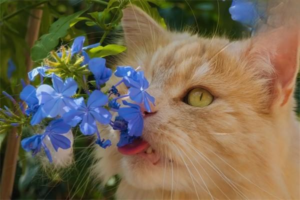
Why Does Your Cat Keep Farting So Badly?
Cats are lovely, but why do their farts smell so bad? Frequent smelly gas can mean abnormal gut fermentation. Normally cats rarely fart and it isn't very smelly, so constant odor deserves attention. Here are the common causes.

Why Puppies Refuse to Eat: Common Causes
Puppies have weak digestion and often refuse food. The cause can be illness, picky eating, physiological anorexia (teething, estrus, pregnancy), indigestion, parasites, a sudden food change, digestive enzyme deficiency, or serious disease such as parvovirus or distemper. Match the sign to the cause and see a vet when other symptoms appear.