Search Results
3544 results for “gut”

Can Dogs Get Travel Sickness from a New Environment? Symptoms and Care
Dogs do get maladjusted to new places climate, water, altitude, smells, and food, plus travel stress that lowers immunity. Symptoms are vomiting, diarrhea, low appetite, and lethargy, lasting 7-14 days in weak dogs. Ease it with small frequent meals, probiotics, familiar bedding, warmth, and more company.

What Beginners Should Know About Keeping Rabbits
Don't start with too many rabbits; build experience first, then grow the herd. Here are the main points beginners should watch when keeping rabbits.
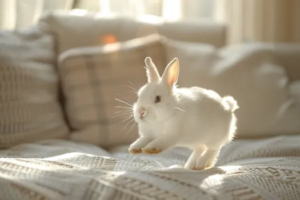
Key Management for Raising Baby Rabbits
A baby rabbit is usually one from weaning to three months, the hardest age to keep and the time with the highest death rate. Here are the key management tasks to raise survival.

How to Feed Chinchilla Treats Safely
A chinchilla's staple is hay and pellets; treats are for bonding only. Pick low-fat, low-sugar, natural plant snacks (dried carrot, papaya, apple, rose petals, raw oats) and avoid roasted seeds, candy, and anything with preservatives or color. Keep treats under 3 g a day, skip them when the chinchilla is sick, and never give fresh high-water fruit that causes diarrhea.

Schnauzer Drawbacks and Care Tips
The Schnauzer is calm, brave, and independent, a good pick for busy dog lovers. But it has drawbacks like strong curiosity and a vengeful streak. Here are its flaws and how to care for one.

Why Is My Rabbit Suddenly Limp All Over?
A limp rabbit may be from calcium deficiency, low blood sugar, low energy intake, or cold/hard-to-digest food. Tell normal rest (jumps up when called) from pathology (slow, won't move or eat). Hypoglycemia needs warming and syringe-fed glucose water, then a vet. Feed on schedule with hay and pellets, and see a vet for persistent limpness or dry stool.
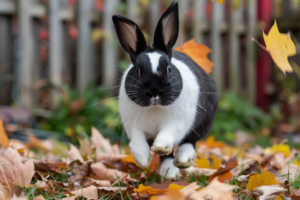
When Does a Rabbit Enter Old Age?
Rabbits live 5–12 years; most reach the senior stage after age 5 (small breeds like the Netherland Dwarf as early as 4). Seniors show weaker digestion, more sleep, slower movement, frequent soft stools, and white, matted fur. Care means a soft floor, senior food with unlimited hay, plenty of water, and companionship.

Why Does My Cat Fart So Badly?
Cat farts are normal, but a bad smell points to a problem: stress upsetting gut flora, eating too fast (swallowing air), gastroenteritis or parasites, or indigestion from poor food. Fix it with a calm environment, slow feeders, probiotics, and a quality grain-free diet changed gradually.

The Pros and Cons of Keeping a Chinchilla
Chinchillas live 15–20 years, stay clean and quiet, and rarely get sick or pass diseases to people — but they need a clean cage, strict temperature under 25°C, scheduled feeding with clean water, daily out-of-cage time, and a dust-free home if anyone has rhinitis. Know the trade-offs before you commit.

What Is a Teddy Bear Poodle’s Ideal Weight — and How to Keep It?
Teddy (Poodle) sizes range from teacup (<2 kg) through toy (3–6 kg), mini (6–9 kg), to standard (9–11 kg); giants exceed 30 kg. Keep the weight in range with regular deworming, daily exercise, a balanced food (fat ≤16%, protein 22–35%), and slowly adjusted, scheduled portions — too thin or too fat both harm health.