Search Results
3525 results for “gut”
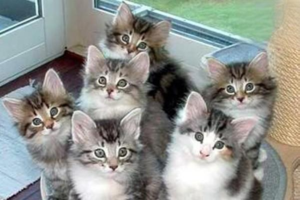
Is It Normal for a Cat to Keep Throwing Up Hairballs?
Cats swallow fur while grooming, and vomiting the resulting hairball is normal — but constant hacking risks hairball syndrome, a gut-blocking mass. Ease it with cat grass, hairball paste, or a little cod-liver oil, and brush often to limit swallowed fur.
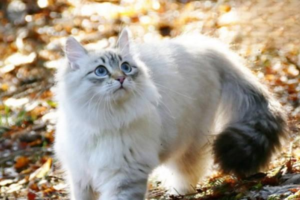
Why a Cat Still Has Blood in Its Stool After Probiotics
Blood in a cat's stool usually means intestinal parasites or gastroenteritis (often feline coronavirus), not a probiotic deficiency. Deworm and sanitize for parasites; use an anti-diarrheal plus probiotics for gut inflammation. If bleeding persists despite a quality live probiotic, the case is too severe for probiotics alone.

What to Do When Your Cat Gets Overweight
Cat obesity — over 15% above ideal weight — strains the heart and joints, raises anesthesia and diabetes risk, and shortens life. Identify it with body-condition scoring, then manage it through controlled, balanced meals and more exercise.

Why Cats Twitch in Their Sleep
A cat twitching in its sleep is often just dreaming or a digesting-spasm, but chills, muscle issues, or hidden illness can also cause it. Feed small regular meals, keep it warm, and see a vet if twitching is frequent or unexplained.

What to Do If a Dog Keeps Vomiting After a Cold
A dog that vomits with a cold — dry heaves or clear mucus plus cough, runny nose, and sneezing — usually just needs warmth, pet cold medicine, probiotics, and broth. But unstoppable vomiting can signal viral disease, gastroenteritis, or parvovirus and needs immediate veterinary care.

What to Do When a Dog Vomits Right After Eating
A dog that throws up right after eating may have eaten spoiled food too fast, have gut trouble or worms, or carry a virus such as distemper or parvovirus. Soften kibble for puppies, slow fast eaters with a bowl, and see a vet at once if a viral infection is suspected.

Why a Kitten Won’t Eat Kibble but Keeps Meowing
A kitten that refuses kibble yet cries is often just too young (under 2–3 months), new to kibble, or switched too fast; soften food with goat milk or mix old and new brands. Going more than five days without food risks fatty liver, so find the cause quickly.

Symptoms of Feline Enteritis and What to Feed
Cat enteritis brings diarrhea and sometimes vomiting or incontinence; stop feeding if vomiting to avoid worsening it. Treatment is short fasting, then anti-inflammatories, antiemetics, and rehydration, with low-fat, easily digested food such as a gut prescription diet once eating resumes.
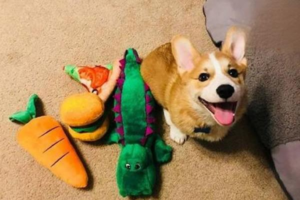
Canine Distemper Aftermath: Symptoms and Care
Distemper aftermath is permanent — the virus damages the gut early and the nervous system later, leaving head-shaking, seizures, and chewing-muscle twitches even after recovery. Some dogs also get pyoderma and abscesses from the drugs used. These sequelae can't be cured, only managed.

Why a Dog Has Diarrhea and Foul-Smelling Gas
Stinky gas and diarrhea usually mean the gut can't digest something — beans, pasta, or too much rich protein ferments into smelly ammonia. Rule out parvovirus in puppies and pancreatitis in adults, skip milk (lactose), and feed easy-to-digest food plus probiotics.