Search Results
138 results for “grooming behavior”

What Are the Signs of Stress in Cats?
A stressed cat may over-groom, shed heavily, seem listless, eat less, or urine-mark—and some grow aggressive, irritable, or clingy. Ease stress with interactive play (wand, laser, catnip, sniff mats), a warm quiet stable home without moved furniture or frequent moves, fixed feeding times, enough resources, and a vet if anxiety persists.

Can Dogs Have a Cleanliness Obsession?
Some dogs show a near-obsessive need for cleanliness—excessive self-grooming, refusing dirty spots or a smelly bed, even enjoying baths. It can be genetic or stem from anxiety, stress, or past trauma. Keep the body and environment clean (without over-bathing), train and socialize for confidence, and seek a vet or behaviorist if it disrupts life.

Can Kittens Recognize Their Mother?
Kittens do recognize their mother, mainly through smell, sound, and her looks and care. Raised by her side, they remember her scent for life; only long separation makes the scent fade, after which they may find it familiar but not know her. Sight, vocal cues, and grooming all reinforce the bond.
How to Handle a Bad-Tempered Cat
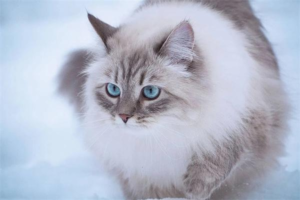
A cat's bad temper may be innate or caused by poor handling or stress. Build trust through a safe environment, a stable routine, and positive training that redirects its attention, and the behavior will improve.

Will a Single Guinea Pig Get Depressed?
Guinea pigs are highly social animals, and living alone can lead to loneliness and even depression. Spend time with your pet, enrich its environment with space and toys, and consider a same-species companion to meet its social needs.

Why Does My Cat Keep Licking Its Paws?
Cats lick their paws for several reasons — instinctive grooming, stress relief, or an underlying problem such as parasites, interdigital dermatitis, a broken nail, or a foreign object. If licking is frequent, check the paws and address the cause.
How does a cat show fear of its owner?
A fearful cat avoids the owner, hiding under sofa or bed or staying high. Approaching brings arched back, puffed fur, dilated pupils, even scratching and fleeing. Without trust it shows anxiety and hesitant eating.
The Yorkie Craze — Read the Pros and Cons Before You Buy
The Yorkshire Terrier is tiny, low-shedding, light-odor, and adorably clingy — but not easy to keep. It's stubborn, needs daily coat care, barks at any noise, can develop separation anxiety, and is prone to patellar luxation, tracheal collapse, and heart issues. Best for owners with time, patience, and budget; not ideal for busy travelers or toddlers.

Who Shouldn’t Keep a Cat?
Every cat is a precious life, and choosing to keep one means taking responsibility. Cat care needs certain conditions—not everyone is suited to it. If you're allergic to cat hair, lack the time and energy, or can't meet a cat's needs, you probably shouldn't keep one. Consider your own situation honestly before adopting.
Will a Ragdoll cat feel lonely staying home alone?
A Ragdoll cat will not feel lonely staying home alone for a day or two, as they have settled into a fixed routine, sleeping most of the day with the rest spent eating, drinking, using the litter box, and occasionally playing. However, if left alone for long periods without company, they will grow bored and gradually feel lonely.