Search Results
138 results for “grooming behavior”

How Cats Show Affection: Common Loving Behaviors
Cats express affection through a surprising range of body language — purring, slow blinks, head rubbing, and kneading are all signs of trust and contentment. Rolling onto their back or trailing after you from room to room means they feel safe and have claimed you as their own.

Understanding Your Cat’s Daily Behaviors
Cats repeat five core activities every day: eating, grooming, sleeping, patrolling and hunting. Knowing why they do these helps you read your cat better and meet its needs for a happy, healthy life.
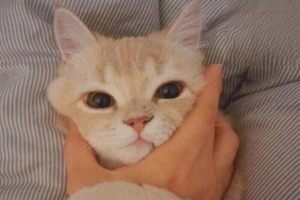
What to Do About Excessive Grooming in Cats
Normally a cat's grooming behavior accounts for 8%-15% of its day, or about 50% of its waking time. If, on top of that, the cat frequently licks its fur, it is very likely reacting to external stimuli with anxiety or stress - a sign of psychogenic alopecia.

Decoding Common (and Weird) Hamster Behaviors
Backflips and endless circling may signal a stereotypic disorder—see a vet. Freezing, cage-chewing, bar-hanging, grooming, bolting on the wheel, and biting usually mean fear, boredom, stress, or teeth-grinding; enrich the cage and stay calm.

Why Cats Spend So Much Time Grooming
Grooming is second nature to cats: an adult cat spends 15% to 50% of its day licking its coat, starting as early as four weeks old. It is far more than staying clean. Grooming clears dirt and spreads natural oils, helps regulate body temperature, hides foreign scents, communicates affection, relieves stress, and even helps wounds — though vets warn against licking injuries. Heavy over-grooming that causes bald spots, or biting at the skin, can signal a skin disease or fleas, so it also works as an early warning system.
What happens if you neglect a cat?
Neglecting a cat harms its mental well-being, often causing loneliness, anxiety, and destructive or over-grooming behaviors. Cats need regular attention and companionship from their owners.
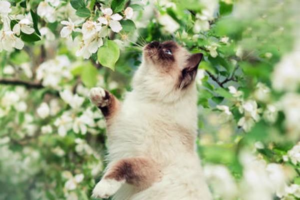
How Weather Affects Your Cat’s Mood and Health
Cats feel weather as keenly as people do, storms, cold, heat, and humidity all shift their mood and health. Watch for heatstroke and hypothermia in extremes, and keep the home between 20 and 25 C with sun, warmth, and steady routine.

How to Train a Border Collie
Border Collies are brilliant, so success starts with scheduled feeding, daily exercise, and coat care before formal training begins. Teach housebreaking young, add complex tasks as they grow, and correct bad behavior early before it becomes a habit.

Why Dogs Lick Their Owners: What Those Licks Really Mean
Licking releases calming endorphins in a dog's brain, so it often starts as pure pleasure — but the behavior carries many messages. A lick can signal affection, anxiety, a request, grooming, a food smell, an itch, or even pain, so the context decides what your dog is really saying.

Why Dogs Lick Their Owners
Dogs lick their owners to show love, win attention, groom them the way a mother dog would, taste food left on the skin, or simply coax a treat. Licking is ordinary canine communication carried over from puppyhood, not a behavior to worry about.