Search Results
94 results for “goldfish oxygen”
Goldfish Habits and Types
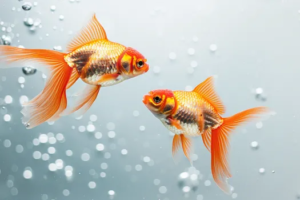
Goldfish are lively but gentle, omnivorous, and easy to school - but watch density to avoid fouled water and low oxygen. They are cold-blooded and can't take sudden 5C+ swings; best growth is 20-28C, and they like slightly alkaline water (pH 7.5-8.0). Main types: grass, wen, dragon (pop-eye), and egg (no dorsal fin).

Why Does a Goldfish Keep Opening and Closing Its Mouth?
Rapid mouth movement is an early hypoxia sign - oxygenate at once to avoid floating at the surface or death. Causes include poor water, overfeeding, and overcrowding. Prevent with an aerator, regular water changes, suitable density, some aquatic plants, and stable temperature.

Goldfish Care Before and After Spawning
Before spawning, prepare a disinfected separate breeding tank with plants or a spawning mop, and keep a male:female ratio of 2:3 or 2:4. After laying and fertilization, remove the parents and keep water at 15-20C to hatch in 3-7 days. Feed fry yolk 2-3 days after hatching; keep oxygen ample and avoid water changes.

Goldfish Stress: Symptoms and What to Do
Stressed goldfish lie on the bottom, look unwell, eat and move less, and make more slime; severe cases show body congestion. Respond by fixing water (change, add microbial agent), oxygenating 24h, fasting, and keeping the environment quiet. Prevent with good, stable water, controlled temperature, and safe food.

Why Is Your Goldfish Not Eating?
Many things stop a goldfish eating — indigestion, sudden or polluted water, a food change, a changed environment, breeding condition, or big temperature swings. Treat the cause: for indigestion, stop feeding and raise temperature with a water change to speed digestion. Always feed by schedule and amount to avoid overfeeding.

How Long Do Goldfish Live?
Goldfish typically live 6-7 years, but home-kept fish often reach only 3-4. Lifespan depends on environment and feeding; well cared for, a goldfish can live over 10 years. To extend life, choose a healthy fish, provide good water quality and stable temperature, feed a balanced diet, and watch for illness daily.
Why Won’t Your Goldfish Breed?
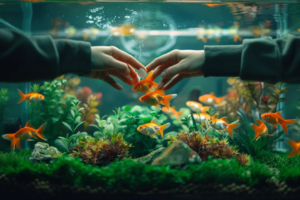
Goldfish breed only when conditions are met — sexual maturity, both sexes present, and suitable water temperature. They usually mature around age one. Without maturity, or with only one sex in the tank, or with poor temperature/water, they will not spawn.

The Goldfish Breeding Process
Goldfish breeding has three steps: pairing, fertilization, and hatching. Mature fish pair on their own in season; in southern China the peak is March-April, with water best kept at 18-25°C. They fertilize externally — the female releases eggs, the male adds sperm, and fertilized eggs hatch in about 5-7 days at ~18°C with good oxygen.

Goldfish Habits and Breeding Behavior
Goldfish are social and do best in groups of two or more, but watch stocking density. They tolerate 0-39°C yet cannot stand sudden temperature swings, which can be fatal — keep temperature stable, ideally 20-28°C. They are omnivores eating animal, plant, and prepared foods; balance the diet for nutrition.

Why Do Goldfish Get Enteritis?
Dirty food, overfeeding, poor water, and bacterial infection are common causes. Early signs are lethargy, slow movement, and refusal to eat — often treatable with water change, salt, and warmth. Mid-stage shows a protruding, red, swollen vent and darkened body, needing nitrofurazone baths. Late stage may fill the abdomen with mucus and needs antibiotics or metronidazole with furazolidone.