Search Results
98 results for “goldfish health”
What do goldfish like to eat?
Goldfish prefer animal live foods like tubifex, bloodworms, small fish/shrimp, and apple-snail meat; also boiled-rinsed millet, water plants, bran, seeds, and bread crumbs. Feed in moderation to protect water quality and avoid obesity.

Can You Release Unwanted Pet Goldfish Into the Wild?
Pet goldfish should not be released into the wild: they are captive-bred, poor survivors, can spread disease to wild fish, and may become invasive and upset local ecology — and releasing non-native species is banned under Chinese law. Rehome them with a friend, a pet shop, or an aquarium instead.

Why Is My Goldfish’s Belly Swollen?
A swollen goldfish belly is usually from overfeeding and poor digestion, spawning, or gut problems. Stop feeding and raise the temperature for digestion; keep water at 20–25°C during spawning; for gut infection use the 'salt + heat + water change' method and furan powder.
Is the Ranchu goldfish easy to keep?
Ranchu goldfish are reasonably easy: use dechlorinated, stable water around 23 to 27 C, feed small frequent meals, and give indirect light. Regular partial water changes keep them healthy.

Can Goldfish and Guppies Live Together?
Goldfish and guppies aren't a good mix. Goldfish are long-domesticated with weak immunity, so even alone they fall ill easily; with guppies, bacterial cross-infection can kill the goldfish. They also differ in temperature, water needs, and size — a large goldfish can accidentally harm a tiny guppy. Keep goldfish in a low-density single tank; guppies pair better with small tetras, platies, mollies, or moonfish.

Why Is My Goldfish Lying on the Bottom of the Tank in Winter?
A goldfish resting on the tank bottom in winter is usually caused by low water temperature, poor water quality, or illness. Cold water slows the fish's metabolism so it conserves energy at the bottom—raise the temperature to 18–25°C with a heater. Dirty water should be refreshed and kept at pH 6.5–7.5, while disease (enteritis, temperature shock, bacterial infection) needs prompt isolation and a 1% salt bath. Regular water changes and added aeration further prevent the problem.
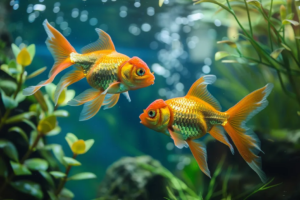
How to Feed Goldfish a Balanced Diet
Goldfish are omnivores that eat both plant and animal foods, so a sensible diet mixes the two. Offer finely chopped veggies and fruit—carrot, cucumber, apple—for vitamins and fiber, plus small live or frozen foods like daphnia, bloodworms, and brine shrimp for protein. Feed a quality goldfish pellet as the staple, twice daily in amounts finished within 10 minutes, and keep the water clean, oxygenated, and planted with greenery. A varied, measured diet, with the occasional live-food treat, is the recipe for healthy, vibrant goldfish.

Signs a Goldfish Is Near Death
Goldfish usually live six to seven years with good care, but they do show warning signs near the end. Look for dropping appetite with a sunken belly, less swimming and sluggish movement, rapid or open-mouth breathing, fading or paling color with darkened lips, no droppings from not eating, fin damage or a misshapen mouth, and withdrawn or restless behavior. If these come from illness, treat it; if the fish has simply reached old age, the kindest step is to accept it and care for its comfort.

Why Isn’t My Goldfish Growing?
A goldfish that stays small is usually a sign of husbandry problems rather than bad genes. The environment is the single biggest factor—a tank that is too small or water that is dirty, the wrong temperature, or low in oxygen slows metabolism and stalls growth. Diet matters just as much: too many carbohydrates and too little protein or vitamins restricts development. Feeding style, water testing, and waste removal also play a role. To help a goldfish reach its full size, give it a spacious, stable tank with filtration, keep water clean and well-oxygenated, and feed a high-quality food in small, frequent meals matched to its life stage.
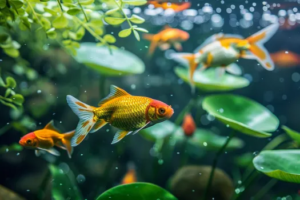
What to Do When Your Goldfish Is Swimming Upside Down
A goldfish floating or swimming upside down is alarming but common, usually caused by poor water quality, overfeeding, low oxygen, cold or fluctuating temperatures, or swim bladder disease. Act quickly to add oxygen and prevent long-term damage from suffocation. Season, temperature, water quality, dissolved oxygen, pH, feeding, and water-change frequency all affect a goldfish's health, so careful husbandry matters. You can relieve mild cases by improving water quality, boosting aeration, and raising the temperature—but if the problem is severe or persists, consult a veterinarian or an aquatic specialist for proper treatment.