Search Results
46 results for “goldfish diet”

How to Feed Goldfish a Balanced Diet
Goldfish are omnivores that eat both plant and animal foods, so a sensible diet mixes the two. Offer finely chopped veggies and fruit—carrot, cucumber, apple—for vitamins and fiber, plus small live or frozen foods like daphnia, bloodworms, and brine shrimp for protein. Feed a quality goldfish pellet as the staple, twice daily in amounts finished within 10 minutes, and keep the water clean, oxygenated, and planted with greenery. A varied, measured diet, with the occasional live-food treat, is the recipe for healthy, vibrant goldfish.

What Factors Affect a Goldfish’s Body Color?
Goldfish color is affected by genetics, light, water quality, diet, temperature, and environment. Genetically, early-fading fish pass it to offspring. Low light causes fading—provide natural or artificial light. Low dissolved oxygen also causes fading, so keep oxygen sufficient.

Why Is My Goldfish Losing Its Color (Fading)?
Goldfish color is affected by age, light, and water. As they age (past 4 years) fading is natural—no concern. But low light, wrong temperature, poor nutrition, or low oxygen also cause fading. Judge by the actual cause: add light (or a color lamp) for low light, and aerate for low oxygen.

Notes on Keeping Goldfish in Winter
Winter's low temperature slows goldfish metabolism and weakens immunity, so adjust diet and water changes. Reduce feeding amount and frequency and lower change frequency. Avoid adding new fish in winter. Watch their condition for early signs; manage diet and water changes to lower illness risk.

Can You Feed Goldfish Rice?
Goldfish are omnivorous and can eat rice, but not too much. Rice is nutritionally one-sided and shouldn't be the staple; its starch can cause indigestion. Balance their diet—use goldfish pellets as staple, plus some plant/animal food and fruit. As ornamental fish, some live food also adds nutrition and color.

What Color Should Healthy Goldfish Droppings Be?
Healthy goldfish normally pass black or brown stool, tied to diet—bloodworms give brown, pellets give black, algae give green. Occasional white stool is fine if no other signs, but long white or stringy stool means digestive trouble—take note.
Goldfish Habits and Types
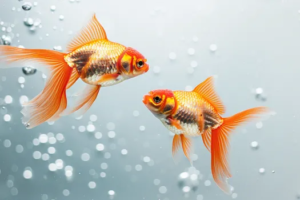
Goldfish are lively but gentle, omnivorous, and easy to school - but watch density to avoid fouled water and low oxygen. They are cold-blooded and can't take sudden 5C+ swings; best growth is 20-28C, and they like slightly alkaline water (pH 7.5-8.0). Main types: grass, wen, dragon (pop-eye), and egg (no dorsal fin).

Why Is Your Goldfish Not Eating?
Many things stop a goldfish eating — indigestion, sudden or polluted water, a food change, a changed environment, breeding condition, or big temperature swings. Treat the cause: for indigestion, stop feeding and raise temperature with a water change to speed digestion. Always feed by schedule and amount to avoid overfeeding.

How Long Do Goldfish Live?
Goldfish typically live 6-7 years, but home-kept fish often reach only 3-4. Lifespan depends on environment and feeding; well cared for, a goldfish can live over 10 years. To extend life, choose a healthy fish, provide good water quality and stable temperature, feed a balanced diet, and watch for illness daily.

Goldfish Habits and Breeding Behavior
Goldfish are social and do best in groups of two or more, but watch stocking density. They tolerate 0-39°C yet cannot stand sudden temperature swings, which can be fatal — keep temperature stable, ideally 20-28°C. They are omnivores eating animal, plant, and prepared foods; balance the diet for nutrition.