Search Results
52 results for “goldfish breeding”

The Goldfish Breeding Process
Goldfish breeding has three steps: pairing, fertilization, and hatching. Mature fish pair on their own in season; in southern China the peak is March-April, with water best kept at 18-25°C. They fertilize externally — the female releases eggs, the male adds sperm, and fertilized eggs hatch in about 5-7 days at ~18°C with good oxygen.
When is the goldfish breeding season?
Goldfish generally enter their breeding season in March-May and August-October. The timing is influenced by climate, so goldfish in different regions may breed at slightly different times. Every year March-May is the peak breeding period, when the climate is favorable for the fish to release eggs. During each breeding season, the male chases the female as part of his courtship. Before laying eggs, the female releases sex pheromones that spur the male to chase more intensely; the male then follows closely and nudges the female's abdomen with his head, bumping against her body. If you see this, it means the female will spawn soon.
How long does goldfish breeding take?
After pairing, the male chases the female and nudges her belly — a prelude to egg-laying. Goldfish lay eggs in multiple batches over about 5 hours, not all at once; a still-large belly means eggs remain. Fertilized eggs hatch in about 3-7 days.

Goldfish Habits and Breeding Behavior
Goldfish are social and do best in groups of two or more, but watch stocking density. They tolerate 0-39°C yet cannot stand sudden temperature swings, which can be fatal — keep temperature stable, ideally 20-28°C. They are omnivores eating animal, plant, and prepared foods; balance the diet for nutrition.
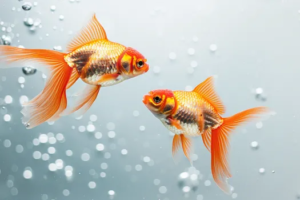
Goldfish Habits and Types
Goldfish are lively but gentle, omnivorous, and easy to school - but watch density to avoid fouled water and low oxygen. They are cold-blooded and can't take sudden 5C+ swings; best growth is 20-28C, and they like slightly alkaline water (pH 7.5-8.0). Main types: grass, wen, dragon (pop-eye), and egg (no dorsal fin).

Goldfish Care Before and After Spawning
Before spawning, prepare a disinfected separate breeding tank with plants or a spawning mop, and keep a male:female ratio of 2:3 or 2:4. After laying and fertilization, remove the parents and keep water at 15-20C to hatch in 3-7 days. Feed fry yolk 2-3 days after hatching; keep oxygen ample and avoid water changes.

Why Is Your Goldfish Not Eating?
Many things stop a goldfish eating — indigestion, sudden or polluted water, a food change, a changed environment, breeding condition, or big temperature swings. Treat the cause: for indigestion, stop feeding and raise temperature with a water change to speed digestion. Always feed by schedule and amount to avoid overfeeding.
Why Won’t Your Goldfish Breed?
Goldfish breed only when conditions are met — sexual maturity, both sexes present, and suitable water temperature. They usually mature around age one. Without maturity, or with only one sex in the tank, or with poor temperature/water, they will not spawn.
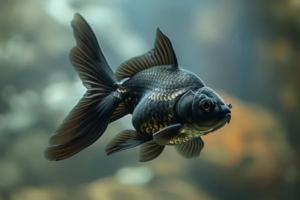
Signs Your Goldfish Is Ready to Breed
Breeding signs are clear: the female's abdomen swells with eggs, appetite drops, and she grows sluggish; the male becomes lively and chases her, sometimes nipping. A male in breeding condition also develops small white spots (nuptial tubercles) on the leading rays of his pectoral fins, which vanish after the season. Plan ahead with a rearing pond, extra nutrition, and stable water.

How to Tell Male and Female Goldfish Apart
Mature goldfish differ by body shape, color, tail, vent, and temperament: males are slender and vivid, females stocky and duller; the male vent is long and thin, the female's round and larger. Males are bold and active, females calm. During breeding, the female's swollen belly and the male's chasing make it obvious.