Search Results
103 results for “genetic disease”
Why a Dog’s Nose Changes Color
A healthy dog's nose is usually cool and moist, and a warm, dry nose alone doesn't prove illness—waking, hard exercise, heat/cold exposure, or old age do the same. Real fading comes from: age (pink as a pup darkens, then lightens in seniors as tyrosinase and melanin drop); illness or heat (returns after); season—'snow nose' in winter, returning with warmth; trauma (pink while healing); poor nutrition (low melanin); genetics/Dudley nose (permanent, harmless); allergy (contact dermatitis from plastics/metal—use glass/stainless); bacteria (swelling, crusts—vet); and vitiligo (immune, white patches, harmless). Protect a pink nose from sun; see a vet for bloody, foul discharge with weakness.
Why a Dog’s Nose Loses Color in Winter
'Snow nose' is a normal winter fading of nose pigment, not a disease—common in Huskies, Malamutes, Goldens, and Labs. Cold lowers tyrosinase activity, so less melanin is made and the nose lightens; it returns on its own in summer. To keep the black nose, add fish oil or kelp, swap plastic bowls for stainless (plastic can irritate sensitive noses), and get sunlight (UV boosts the enzyme). But easy-snow-nose dogs have little melanin to begin with and burn easily, so avoid summer overexposure and use nose sunscreen.
How to Choose a Cat Breed
A 'pedigree' cat is one shaped by planned crosses and recognized by a registry—largely a commercial matter. Common breeds: American Shorthair (sturdy, calm), British Shorthair (round face, sweet), Chinese Li Hua (independent, a great mouser), Siamese (vocal, clever), Persian (long-haired, gentle), Exotic (flat face, prone to breathing/eye issues), Norwegian Forest and Maine Coon (large, adventurous, not ideal strictly indoors), and Ragdoll. Match temperament and your home to the cat, and beware breeds with known genetic problems.
Why Isn’t My Ragdoll Cat Gaining Weight?
Ragdoll cats that eat plenty but never seem to gain weight worry many owners, yet the cause is not always disease. Genetics, low activity, or an unbalanced diet may simply mean your cat burns or absorbs fewer calories than expected. Parasites are another common culprit that blocks nutrient absorption. If diet and exercise adjustments bring no improvement, a veterinary check-up can rule out hyperthyroidism, digestive disorders, or liver problems. This article explains the likely causes and the practical steps you can take at home to help your Ragdoll reach a healthy weight.
Why Does My Cat Always Lie Down? Understanding Feline Arthritis
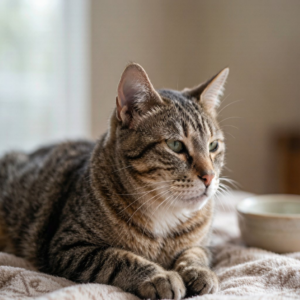
If your cat spends most of its time lying down, walks with a limp, or refuses to be touched on the hind legs, it may be suffering from arthritis—a condition that affects up to 90% of cats as they age. Arthritis is the inflammation and degeneration of joint cartilage, most often secondary (degenerative) arthritis, which worsens as cats grow older. Cats are masters at hiding pain, so signs like reluctance to jump, reduced grooming, increased sleeping, and irritability can easily go unnoticed. Causes include aging, genetics, obesity, injury, and acromegaly. Treatment combines veterinarian-supervised medication (NSAIDs such as meloxicam), weight management with omega-3 and glucosamine supplements, and environmental adjustments like steps and soft bedding. Prevention starts with a healthy diet and keeping your cat lean.
How to Adopt a Healthy Kitten
Adopting should be joyful, but a profit-driven breeding market hides risks. A healthy kitten comes from healthy, well-matched parents raised in clean, nourishing conditions and weaned at the right time. The golden rule: see the parents before adopting—either paid or free—so you can judge their health, diet, and whether the pairing risks congenital disease (fold-to-fold or dwarf-to-ragdoll matches are red flags). Also avoid taking a kitten home before 12 weeks, when key socialization happens.
Why Does My Dog Have Bad Tear Stains?
Tear stains form when tears (water plus salts and protein) evaporate and leave dark-brown marks—and they can signal health trouble, not just looks. Causes: poor eye cleaning (dust, smoke irritation), ingrown eyelashes from eyelid inward-rolling (needs vet care), unclean ears (mites or bacteria stimulate tear glands), and oily or salty food (switch to low-salt natural kibble and more water). Some breeds (Pekingese, Chihuahua, Pug) have genetic over-tearing from bulging eyes; severe cases may need a tear-duct opening surgery. Disease (blocked ducts, tear-gland inflammation) needs a vet. Daily: gentle cleaning, trim surrounding hair, light eye massage a few times a week, and a bland diet.
What to Do When Your Cat Has a Weak Immune System
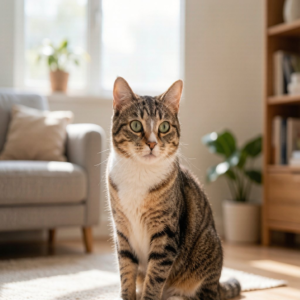
A cat with weak immunity gets sick easily, and several factors can be responsible—an unbalanced diet, an unclean living environment, genetic predisposition, advancing age, chronic stress, or lack of exercise. Because the causes vary, care should be tailored to the individual cat. In general, boosting immunity means feeding a balanced diet, encouraging moderate exercise, keeping the environment clean and sanitary, staying current on parasite control and vaccinations, and providing routine grooming. With consistent, personalized management, you can strengthen your cat's natural defenses and reduce how often it falls ill.

Why Do Cats Get Stomatitis?
Feline stomatitis is a painful, chronic, immune-driven inflammation of the mouth—not just sore gums. Calicivirus and autoimmune disease are the usual triggers, while other viruses, plaque, breed, stress, and poor nutrition add risk. Because it hurts to eat, cats waste away, so finding the cause matters; for stubborn cases, full-mouth extraction often brings lasting relief.

Thinking of a Golden Retriever? Know This First
The Golden Retriever is smart, gentle, and friendly, and with training can work as a guide or search dog. But it sheds heavily, drools, has a strong odor, eats a lot, and needs at least 1–2 hours of exercise daily or it turns anxious and destructive. It's also prone to hip dysplasia, obesity, ear infections, and eye disease. Know the real commitment before you bring one home.