Search Results
103 results for “genetic disease”
Common Genetic Diseases in Ragdoll Cats
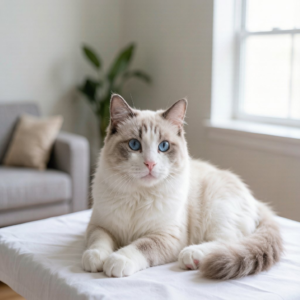
Ragdolls are prone to two inherited diseases: hypertrophic cardiomyopathy, where the heart wall thickens and can cause sudden cardiac death, and polycystic kidney disease, where fluid cysts enlarge the kidneys. HCM peaks at four to eight years and affects about 6 percent of the breed; PKD strikes at three to ten and is avoided if both parents test clear. Neither can be cured, only managed with care, kidney-support diets and vet-guided mineral supplements, so DNA testing and routine prevention matter.
Early Warning Signs of Heart Disease in Dogs
Heart disease isn’t only an old-dog problem—clinics see four- and five-year-olds, even two-year-olds, with valve disease or myocardial hypertrophy, especially in small breeds like Toy Poodles and Pomeranians. Early on there are almost no symptoms; by the time coughing, fainting, or a purple tongue appears, the disease is usually advanced. Under the ACVIM staging system, Stage B1 is the “golden window” most owners miss: subtle structural changes with no heart failure yet, showing only quiet behavioral shifts like less activity or a changed sleeping posture. Catching it then—often without medication—can keep a dog stable for life. This article outlines the staging, the early behavioral signs, and the daily care that protects a vulnerable heart.
Why You Might Consider Genetic Testing for Your Dog
People use genetic testing to screen for inherited disease and confirm family ties; dogs can benefit too. A breed dog's DNA test can flag the risk of more than 130 inherited conditions, confirm whether a pricey puppy is truly purebred, serve as proof of identity if it is lost or stolen, and even predict behavior traits. It is a practical tool for smarter, more personal care.

Skin Disease in Collies and Other Herding Breeds: Why Medication Must Be Chosen Carefully
Collies and related herding breeds often carry an MDR1 gene mutation that prevents normal drug clearance, making them dangerously sensitive to certain parasiticides such as ivermectin. Skin problems are treated as in any dog, but parasite control and other medications must be chosen with a veterinarian to avoid toxicity.

Acanthosis Nigricans (Black Skin Disease) in Dogs and Cats: Symptoms, Treatment, and Care
Acanthosis nigricans is a skin syndrome of itching and friction leading to thickened, darkened skin, seen mainly in certain dog breeds. Causes include allergy, hormonal imbalance, and obesity, and care combines itch relief, diet, and anti-seborrheic care.

Intervertebral Disc Disease in Dogs and Cats: Symptoms, Treatment, and Prevention
Intervertebral disc disease occurs when a degenerating disc bulges or ruptures and presses on the spinal cord, causing pain, numbness, and movement loss. It favors the thoracolumbar (about 85%) and cervical (about 15%) spine in small or chondrodystrophic dogs. Conservative rest and anti-inflammatories help mild cases; severe ones need decompressive surgery.

Intervertebral Disc Disease (IVDD) in Dogs and Cats
Intervertebral disc disease occurs when a degenerate disc bulges or herniates and compresses the spinal cord, causing pain, incoordination, and paralysis. It is most common in small or older chondrodystrophic dogs and rarely resolves without treatment.

Intervertebral Disc Disease (IVDD) in Pets: Symptoms and Severity
Intervertebral disc disease (IVDD) is a leading cause of back pain and paralysis in dogs — especially long-backed breeds like Dachshunds. Learn what causes it, how to spot the signs, and the five grades of severity vets use to assess the condition.

Scottish Fold Cats and Their Genetic Health Problems
Scottish Fold cats were bred for their folded ears, but the same gene that folds the ear also causes painful bone and cartilage disease. Every Fold carries the defect, so care focuses on comfort, a gentle diet, and daily grooming they cannot do themselves.
How Long Do Rabbits Live?
A rabbit's lifespan depends on breed, genetics, diet, environment, daily care, and disease prevention. To extend it, give your rabbit a good home, proper diet and care, and timely health attention. With a clean environment, scientific feeding, and routine care plus prevention, you can greatly lengthen a rabbit's life and share more happy years together.