Search Results
387 results for “full water change”

Can a Puppy’s Diarrhea from a Food Change Heal on Its Own?
Puppy diarrhea from switching food can partly resolve on its own, but don't ignore it. Transition gradually by mixing old and new food, increasing the new ratio so the gut adapts. Watch the puppy's energy, appetite, and stools. Severe diarrhea may need pausing the switch and a vet's advice. Diarrhea can dehydrate, so ensure water and consider probiotics.

How Often Should You Change Goldfish Water?
Change goldfish tank water every 3-7 days, adjusting for season, temperature, stocking density, and water quality. In summer without filtration, change about a third of the water every 3 days; in winter you can stretch to 10-15 days. Keep the new-water temperature within 2°C of the old, add it slowly along the glass, and replace only 1/4-1/3 of the volume each time.
How do you change water in a large fish tank?
Changing water in a large tank: prepare dechlorinated water rested three days, turn off the pump, clean the glass, and siphon out bottom waste. Refill slowly along the glass.
A full kibble with a bit of water at the very end; the cat didn’t run around after eating.
Vomiting kibble is often from eating too fast, sudden food change, allergens, intolerance, or intestinal blockage. Reduce portions and feed small frequent meals with probiotics; use a 7-10 day transition if changing food.

Tips to Help Your Parrots Breed and Hatch Successfully
After a pair bonds, prepare a roomy cage with a wooden nest box, high-calorie protein food, and warm bedding. During laying, candle eggs at one week to spot infertile ones; during incubation keep 28-30 C and 60-70% humidity, and supply steady food and calcium.
My cat slept, refused food/water, vomited twice (first a roundworm), vet gave half a dewormer pill, but still sleepy, weak, barely eating-is this normal, what should I do?
These signs may be parasite infection, another disease, or dewormer side effects. If no improvement after the vet visit, contact the clinic and describe symptoms; further tests (blood, fecal, distemper) may be needed and the plan adjusted. Keep warm/quiet; try easily digestible warm food carefully.
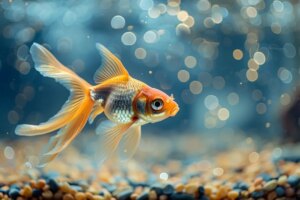
Do Blood Parrot Fish Need Frequent Water Changes?
Blood parrot fish are vivid and popular ornamental fish, but water quality must be watched closely. Many keepers are unsure how often to change the water and how to do it properly. This article explains whether parrot fish need frequent water changes and the correct method.
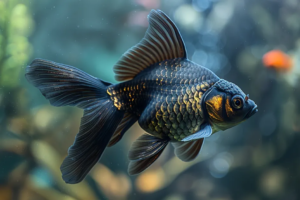
The Right Way to Change Fish Tank Water
Healthy fish start with healthy water. Sudden changes in quality, temperature, or pH can make fish sick, so change water regularly but not too often. Here is the correct way to do it.
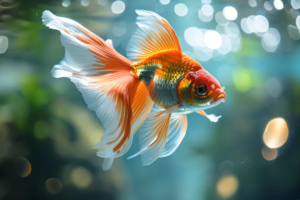
What to Do When Your Fish Tank Water Turns Green
Many fish keepers have seen their tank water turn green. This is usually caused by an overgrowth of green and brown algae, which crowds out plants and fish, absorbs oxygen, and can even release toxins. Here is how to fix it for good.

What to Keep in Mind When Changing Water for Your Arowana
Regular water changes are the first line of defense in keeping an arowana healthy, but doing it wrong can trigger refusal to eat, saprolegniasis, or cloudy eye. Proper care means pre-conditioning tap water to remove chlorine, changing only a small fraction at a time, keeping the flow gentle, avoiding feeding around the change, and watching the fish closely afterward.