Search Results
54 results for “fry care”

Goldfish Care Before and After Spawning
Before spawning, prepare a disinfected separate breeding tank with plants or a spawning mop, and keep a male:female ratio of 2:3 or 2:4. After laying and fertilization, remove the parents and keep water at 15-20C to hatch in 3-7 days. Feed fry yolk 2-3 days after hatching; keep oxygen ample and avoid water changes.
When do guppy fry start showing color?
Guppy fry start coloring at about 1 month, or 2 months if conditions are poor. Good environment and nutrition speed it.
How to care for newborn guppies?
Newborn guppies need no feeding at first because they carry a yolk sac; just keep water stable until it is absorbed (~2 days). Then feed small amounts of egg yolk, brine shrimp eggs, paramecia or crushed flakes, little and often, ensuring they finish within 5 minutes.
How long for Ranchu fry to grow up?
Ranchu fry generally grow up in about 3 to 6 months after birth, reaching about 15 cm and up to 20 cm. Feed small, frequent, fixed meals and change water regularly. Under artificial care, provide light and keep water at 15 to 25 degrees.

Zebrafish
The Zebrafish (Danio rerio) is a small, gentle, hardy freshwater fish with blue-and-silver stripes. Famous as a model organism in genetic and medical research, it is also an easy, community-friendly beginner fish.

What Do Cleaner Fish Do?
Cleaner fish are the 'doctors' of the aquarium: they graze leftovers and algae to keep water clean, and some even nip dead tissue and pathogens off sick tankmates. Most are small, gentle tropical fish that need stable warm water and must not be overfed if you want them to keep working.
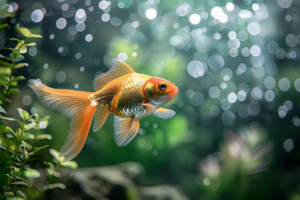
The Arowana Breeding Process
Arowana breeding requires specific water temperature and quality, and proceeds in three steps: pairing, egg-carrying, and spawning. This article walks through each stage and the care needed during the breeding period.
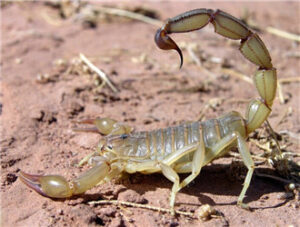
Scorpion
Scorpions have a wide range of medicinal uses, though their tails are venomous. With many species distributed across more than ten provinces in China, the most commonly used medicinal species is the East Asian scorpion (Chinese scorpion), which is highly effective in treating rheumatic conditions.

Eurasian Siskin
The Eurasian Siskin (Carduelis spinus), also called the yellow bird, is mainly yellow as its name suggests. It is distributed from Europe to Egypt and east to Japan, the Korean Peninsula, and China, living in forests, hills, and plains; in autumn and winter it is more often seen in plains or sheltered foothill belts.

Daily Management of a Goldfish Aquarium
Even with an automated tank, daily goldfish management matters—watch activity and respond to environment and health changes. This guide covers tank placement, setup, stocking density, feeding and water changes.