Search Results
323 results for “frequent urination”
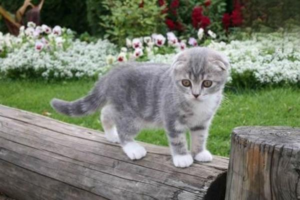
Can Cats Drink Raw (Untreated) Water? The Risks and Consequences
Cats should never be given raw, untreated water such as tap, well, river, or stream water. Untreated water carries bacteria, fungi, excess minerals, chlorine, and debris that can cause gastroenteritis, kidney strain, urinary stones, and parasite infection — boiling the water first removes most of these risks.
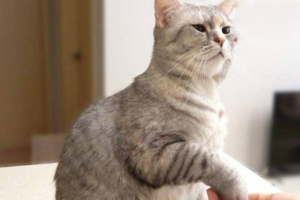
What to Do When a Cat Pees Outside the Litter Box After a Litter Change
Cats are sensitive creatures, and suddenly switching litter can make them refuse the box and eliminate around the house. The main causes are an unfamiliar scent, uncomfortable texture, or heavy dust, and the fix is usually reverting the litter or re-training with scent. Other causes include heat, urinary disease, and stress.

Understanding Pet Diabetes: Symptoms & Treatment in Dogs and Cats
Diabetes in pets is mostly primary (beta-cell damage) and shows as eat-more/drink-more/urinate-more/weight-loss. Management needs insulin, glucose-lowering drugs, fluids, diet, and infection control; prevention is fiber, exercise, and regular glucose checks.

Understanding Pet Diabetes: Symptoms & Treatment in Dogs and Cats
Diabetes in pets is mostly primary (beta-cell damage) and shows as eat-more/drink-more/urinate-more/weight-loss. Management needs insulin, glucose-lowering drugs, fluids, diet, and infection control; prevention is fiber, exercise, and regular glucose checks.

Understanding Pet Diabetes: Symptoms & Treatment in Dogs and Cats
Diabetes in pets is mostly primary (beta-cell damage) and shows as eat-more/drink-more/urinate-more/weight-loss. Management needs insulin, glucose-lowering drugs, fluids, diet, and infection control; prevention is fiber, exercise, and regular glucose checks.

E. Cuniculi (Rabbit Encephalitozoonosis): Causes, Symptoms & Care
Encephalitozoonosis (E. cuniculi) is a serious rabbit disease often caught in the womb, silently harming kidneys, brain, and spinal cord. Signs range from weakness to head tilt, paralysis, and sudden death; infection is irreversible but a strong immune system helps.

Type 1 and Type 2 Diabetes in Cats
Cat diabetes comes in two types, split mainly by how much the cat depends on insulin. Any cat can get it, but older, neutered, male, and obese cats are more at risk. Learn the causes, signs, and treatment of feline diabetes.

Reading Your Rabbit’s Health from Urine Color
A rabbit's urine can reveal its health. Pale and thick urine may mean too much alfalfa or high-calcium feed. Learn what each color means and when to worry.
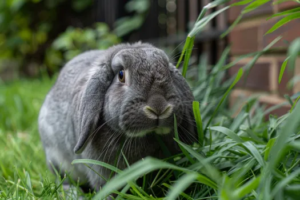
Types of Rhinitis in Rabbits
Rabbit rhinitis has several types, infectious, viral, parasitic, and bacterial, each with distinct signs; young rabbits are at high risk of death, so frequent sneezing warrants a vet check.

What Is Feline Urolithiasis (Cat Urinary Stones)?
Feline urolithiasis (urinary stones) is a painful lower-urinary-tract disease. Signs are frequent small urine, blood, genital licking, painful cries, and inappropriate urination; a blockage is fatal in 48–72 hours. Treat with catheterization, meds, water, and Rx food.