Search Results
983 results for “formula”

Mouth Ulcers in Rabbits
Rabbits with mouth ulcers develop small blisters, red swollen gums, drooling, and bad breath, and the pain makes eating difficult. Softening the diet, keeping the mouth clean, and offering chew toys to wear down overgrown teeth all help the ulcers heal. Because a rabbit's teeth grow continuously, unchecked overgrowth can lacerate the oral tissue and trigger the ulcers in the first place.

Pet Skin Diseases (Part 1): Parasitic and Fungal Infections
Skin disease is common in dogs and cats and tends to flare up and recur, usually because their skin defenses are weak and their surroundings are full of triggers. The two hardest types to clear are external-parasite infestations (fleas, lice, mites, ticks) and fungal infections (ringworm); both cause intense itching, hair loss, and skin damage and need treatment of both pet and environment. Since they are contagious and slow to resolve, early veterinary care and consistent parasite control are the keys to recovery.

What If Your Cat’s Cold Won’t Clear Up After Treatment?
If a cat's cold lingers after shots and medicine, the cause is usually poor home care or the wrong treatment — and viruses like herpesvirus can flare again. Support recovery with isolation and disinfecting, warmth and humidity, face cleaning, probiotics, and plenty of water; if it worsens, rule out panleukopenia or rhinitis at a clinic.

What to Do When a Kitten Sneezes with a Clear Runny Nose
Clear, watery nasal discharge in a kitten usually means a mild common cold rather than rhinotracheitis — observe first if there's no fever or eye redness. Keep the environment clean and warm, add nutrition, and never give human cold medicine, which can harm the kidneys or liver.

How to Calculate Your Cat’s Daily Water Intake
Cats evolved in arid environments and have a naturally weak thirst drive, so they often fail to drink enough — especially on dry kibble — which strains the urinary system. A practical rule is about 60 ml of water per kilogram of body weight per day, or roughly 1 ml per kcal eaten. Check skin elasticity, coat condition, and 2–3 daily urinations to gauge whether your cat is hydrated.

What to Do If Your Dog Catches Parvovirus (Parvo)
Canine parvovirus (CPV) is a highly contagious, often fatal disease of dogs, especially puppies, causing severe vomiting and bloody diarrhea. Treatment is supportive — fluids, antivirals, and symptom control — alongside vet care. The enteric form (most common) is described here, with a home med list including amoxicillin, probiotics, glucose, and an anti-nausea drug.

How to Help Your Cat Develop Cheek Fluff
Cheek fluff, a round full face, appears mainly in male cats of certain breeds like British and American Shorthair, driven by genetics and diet, usually from 11 months on. Feed low-salt quality food, add meat and supplements, keep it active, and note neutering before fluff sets in prevents it.
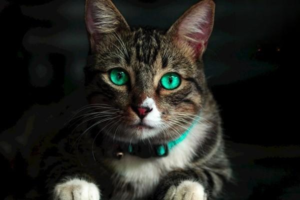
How to Clean Your Cat’s or Dog’s Ears
A buildup of ear wax or ear mites usually means cleaning has been neglected. A regular routine keeps the canals clear of dirt and moisture, prevents infection and parasites, and only takes a few gentle steps.

What to Feed Your Cat at Each Life Stage
A cat's nutritional needs change at every stage, from colostrum and mother's milk in the first weeks to softened kibble and formula through the kitten months, then balanced adult food with toppers. Seniors and pregnant or nursing queens need easy-to-digest, calorie-dense meals — matching food to age protects digestion and supports steady growth.

Practical Feeding Tips for Your Dog
Feeding well means set meal times, quality kibble, and minimal switching. Watch the bowl to gauge portions, and use mealtime for basic training.