Search Results
176 results for “food switching”

Will Changing Dog Food Hurt the Gut?
Why switch? Nutrition balance - eating one food forever risks deficiency; safety - some feeds use questionable 4D sources, unneeded flavor additives and heavy preservatives linked to chronic disease; and appetite - same taste daily breeds boredom (imagine burgers forever). Does switching hurt? A single-food gut makes narrow enzymes, so a sudden swap causes soft stool or diarrhea. The 7-day method fixes it: raise the new-food ratio daily until day seven is all new, avoiding digestive stress. Switch about every three months, or anytime if no reaction; mixing two foods for broader nutrition is fine. Picky eating comes not from switching but from rewarding refused food with tastier food - the dog learns refusal pays off.

How to Switch Your Cat’s Food the Right Way
Switching cat food badly can trigger refusals, vomiting, or diarrhea, so the job calls for method. The safe route is a gradual seven-to-ten-day transition that blends old and new food in shifting ratios. This guide also covers what to do if diarrhea appears and how to handle the smaller portions needed when moving from home-cooked meals to calorie-dense commercial food.

Should Cats Eat One Food or Rotate?
Feeding one food keeps a cat's gut stable and makes health changes easy to spot, but it risks nutrient gaps, pickiness that fights later prescription diets, and silent formula changes. Rotating broadens nutrition and spreads product-risk, yet sudden or too-frequent switches upset the stomach. The balanced answer is to rotate on a schedule, with a slow 7–10 day transition and a few months on each food.

How Often Should You Rotate Your Cat’s Food?
Healthy adult cats do well rotating their main food every 4–6 months, with toppers or treats of different flavors every 1–2 months for variety. Kittens in their first year, seniors over seven, and cats with sensitive stomachs or illness should change far less often. The goal is to spread risk and avoid long-term gaps or buildup of specific nutrients—done with a slow 7-day transition.
How good is Royal Canin GR26 dog food?
Royal Canin GR26 is a complete adult formula for large breeds, rich in Omega-3 fatty acids that support skin health. It has abundant protein and dietary fiber, plus EPA & DHA to support large-breed bone and muscle development and digestion. However, its nutrition profile suits large adult dogs, so confirm your dog's breed and age before buying, and transition gradually when switching foods.
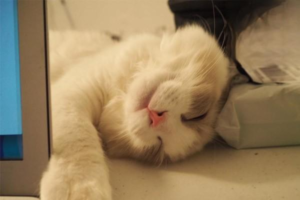
How to Choose and Switch Your Cat’s Food
Picking the right cat food and changing diets slowly protects a sensitive stomach. Look for high animal protein, balanced fat, and added taurine, and transition over about a week.

What to Do When a Food Change Gives Your Cat Diarrhea
Switching cat food too quickly is a common cause of diarrhea. Rule out a bad batch, feed age-appropriate food—no dry kibble for kittens under three months—and use a probiotic during the transition; most mild cases settle with gentle gut support.
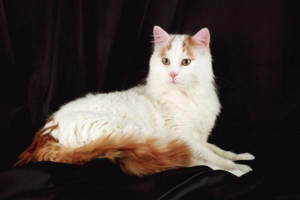
Common Mistakes New Cat Owners Make
Today we share some common mistakes new cat owners make. Be sure not to fall into these traps.
What is rabbit bloat?
Rabbit bloat comes from overeating, sudden weather change, poor diet, antibiotic misuse, or food changes, causing food buildup and stress-related gas—especially at season turns. Toxic or contaminated feed can also cause it; withhold food until digestion completes.

How to Prevent and Clean Dog Tear Stains
Tear stains form when excess tears overflow the nasolacrimal duct, and the iron in porphyrin turns them rusty red. Short-faced and light-coated breeds are most prone; manage them through grooming, diet, and treating the root cause like infection or allergy.