Search Results
176 results for “food switching”

Do Dogs Need to Switch Food Regularly?
Dogs benefit from periodic food changes: nutritional needs shift across puppy, adult, and senior life stages, health issues (joints, skin, teeth) call for targeted formulas, and rotation aids weight control and fights flavor fatigue. Switch gradually with a 7-day transition (75/25 → 50/50 → 25/75 → 100%) and slow down if digestion reacts.

What Happens If a Dog Eats Wet Food Long-Term
Wet food adds moisture and appeals to picky eaters, but fed alone long-term it can drive plaque and tartar, pickiness, higher cost, and weight gain. Mix it with dry food and pick a complete, balanced product for best results.

How to Tell If a Cat Food Suits Your Cat
No food is 'best' — only 'right for your cat.' Watch appetite (boredom-eaters and frenzied gobblers both signal issues), stool (mild softness in week one is normal; past two weeks, or with vomiting and a sour smell, it's wrong), weight (too thin or over 10% gain), coat (dry, extra shedding), and signs like eye discharge, tears, bad breath, or chin acne. Try sample sizes first and switch over 7 days.
What should I do if my cat has diarrhea after a food change?
Diarrhea from switching food means a gradual transition is needed. Give probiotics and mix old and new food 80/20, slowly increasing the new ratio until fully switched.
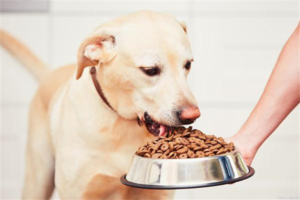
Which Dogs Should Eat Low-Fat Food?
Low-fat dog food suits dogs that need to cut back on fat: overweight or obese dogs, those with pancreatitis and similar illnesses, seniors, low-activity dogs, and dogs with sensitive stomachs. Healthy dogs can have some, but not as a long-term staple, since too little fat can harm the skin, coat, and immune system.

What Counts as Low-Fat Dog Food?
Low-fat dog food is not simply any bag labeled 'low fat' — it must meet real nutritional standards, with crude fat around 5.0%–9.0% and protein around 22%–35%. It is a useful tool for overweight dogs or those with conditions like pancreatitis, but healthy dogs do not need it and may lose energy on too little fat.

Does More Eye Discharge After Changing Dog Food Mean the Food Is Bad?
Extra eye discharge after switching dog food does not automatically mean the food is low quality — it can be a mild adjustment reaction, a food intolerance, or something unrelated like blocked tear ducts or an ear infection. Some foods are high in salt, and if your dog drinks little, this can cause 'inner heat' with more discharge, bad breath, and dry stool. Rule out the food by checking the label, watching overall health, and if discharge is thick, colored, or lasts over a week, see a vet.

How to Choose the Right Chinchilla Food
Choose chinchilla pellets by checking the ingredients (16–20% plant protein, at least 18% fiber, 2–5% fat), picking reputable brands, verifying freshness, and matching the formula to your pet's age and health. Transition to new food gradually and supplement with hay for fiber and dental wear.

Boiled Meat, Raw Food, or Kibble: Feeding Your Cat or Dog Wisely
Many owners cook plain boiled meat for their pets, thinking it is cheaper or safer than commercial food. But domestication has shifted companion cats and dogs away from strict carnivores, and feeding only boiled meat long term risks calcium-phosphorus imbalance and kidney strain. This guide explains how to balance a home-cooked diet for dogs and cats, why boiled meat beats raw for most homes, and how commercial kibble fits in. The takeaway: boiled meat is fine, but only when fed as part of a balanced, well-planned diet.

Choosing the Best Dog Food for Senior Dogs (Age 7+)
Once a dog turns seven, its metabolism slows, digestion weakens, and organs such as the kidneys, heart, and liver begin to decline — so the right senior dog food matters more than ever. Look for a formula with at least 25% crude protein (30%+ is better), fat held between 8% and 15%, fiber under 9%, starch no higher than 32%, salt under 2%, and a calcium-to-phosphorus ratio of 1:1 to 2:1. Bonus nutrients like glucosamine, fish oil, and probiotics support aging joints, brains, and guts. Prefer wet food for dogs with poor teeth, transition gradually over seven days, and feed smaller meals. For dogs with heart, kidney, or diabetic conditions, a vet-guided prescription diet is safest.