Search Results
176 results for “food switching”

How to Care for a Dog with Pancreatitis
Pancreatitis is a high-risk digestive emergency, especially common in overweight middle-aged and senior dogs, and it often returns even after recovery — so proper home care matters as much as treatment. During a flare-up, withhold food and water immediately and see a vet; never self-medicate. After discharge, feed a prescription diet under 10% fat (regular food is 15–20%+), split into 4–6 small meals, and strictly avoid all high-fat foods such as fatty meat, organ meats, fried food, and rich treats. Keep your dog warm to protect the abdomen, allow only gentle short walks, follow the medication plan exactly, and return for regular pancreatic checks. Controlling weight is the best prevention — obese dogs are over three times more likely to develop pancreatitis.

How to Treat Cat Chin Acne
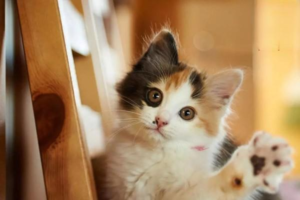
Cat 'black chin' is simply feline folliculitis - black specks like coal dust at the hair roots, sometimes red and painful, worsening to pustules, hair loss and itch. Causes: too-oily food, plastic bowls and chewed plastic toys that harbor bacteria, overactive hormones (intact males are prone, especially on tail and chin), and poor grooming or dusty homes that let oil build. Most cases are cosmetic and need no treatment, but switch plastic bowls first; mild cases get a topical antibiotic after warm compresses, and weekly medicated washes. It can strike any cat, any age or sex.
Why Cats Get Black Chin (Feline Acne)
Those odd black specks or bumps on a cat's chin are feline acne, a bacterial folliculitis, not just dirt. Greasy food, hormone shifts, and especially plastic bowls that harbor bacteria all play a role. The good news is it is easy to manage with better bowls, gentle cleaning, and, for serious cases, antibiotic ointment.

Cat Chin Acne: Causes and Solutions
Cat chin acne, or feline acne, is not the same as folliculitis; only when it gets infected does folliculitis develop. Mild blackheads that just affect looks may need no treatment. Causes range from poor chin cleaning and bacteria or mites to plastic bowls, diet, and individual hormone or allergy issues. A simple case clears with a warm compress and antibiotic ointment, while red, scabby cases need a vet exam. The same logic applies to a greasy black tail.
Signs of Internal Imbalance (“Heat”) in Golden Hamsters and What to Do
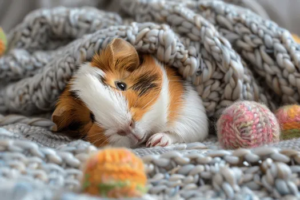
In small-pet care, "heat" describes a common imbalance in golden hamsters caused mainly by too many fatty, high-calorie treats like seeds, peanuts, and bread. It is not dangerous on its own, but it makes the hamster uncomfortable and can lead to constipation and obesity. The signs range from eye discharge to, in severe cases, prolapse and nosebleeds. The fix is dietary: cut the rich snacks, soften the food, and add a little cooling herb to the water. This guide explains the causes, symptoms, and treatment.
Cat Has Chronic Diarrhea? It’s More Than a Sensitive Stomach
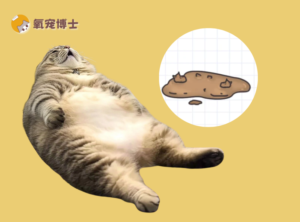
Long-term diarrhea in cats is rarely just a 'delicate stomach' you can fix by swapping food or adding probiotics. Diet and food allergy are common, but so are parasites (some needing specific drugs), inflammatory bowel disease, and metabolic diseases like pancreatitis, hyperthyroidism, or kidney disease. Stress is a third driver. Work through the causes step by step and let a vet run the right tests.
Madagascar Rainbowfish
The Madagascar rainbowfish, also called the Madagascar rainbow or stone beauty, is native to Madagascar. Adults reach 6 to 8 cm and are admired for the shifting bands of color that play across their bodies as the light changes.
Florida East Coast Diamondback Terrapin
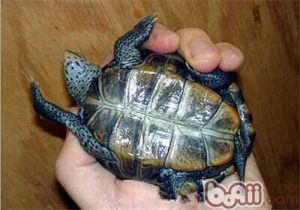
The Florida East Coast Diamondback Terrapin (Malaclemys terrapin) is a dark, subdued brackish-marsh turtle from Florida's Atlantic coast, uncommon in the trade. Unique among turtles, it thrives in brackish water near seawater salinity, so it is best kept in slightly brackish conditions.

Dyscophus antongili
The Antongil Bay Tomato Frog (Dyscophus antongili) is native to the east coast of Madagascar and feeds on insects. Restricted to a narrow range and threatened by habitat loss and poaching for the pet trade, it is listed under CITES Appendix I. Wild individuals come in red (females) or yellow (males), so choose a female if you want a red 'tomato'.
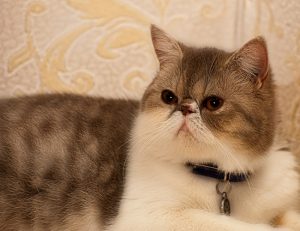
Exotic Shorthair
The Exotic Shorthair — everyone's "Garfield cat" — pairs the Persian's plush look with a short, easy-care coat. Sweet, calm, and affectionate, it's one of the most laid-back cat breeds to live with.