Search Results
176 results for “food switching”

What Should You Feed a Baby Rabbit?
A baby rabbit's staple should be alfalfa hay, the most nutritious hay, with a little timothy added later to ease the switch to adult food. Feed a junior pellet formula for balanced nutrition, and always offer cooled boiled water — never tap water, which can carry parasites and chlorine that upset a young rabbit's gut.

What Causes Stereotypic Behavior in Hamsters?
Stereotypic behavior in hamsters is a neurological and behavioral disorder triggered by factors such as improper diet, sudden changes in surroundings, insufficient exercise and stimulation, psychological or physiological stress, and inbreeding. The condition cannot be cured but can be managed with medication, so prevention through a stable, comfortable environment and balanced nutrition is the most effective strategy.
How is an Old English Sheepdog’s digestion?
The Old English Sheepdog's gut is not great; though adaptable, it is sensitive, so do not switch food immediately on arrival but use a 7-day transition to avoid discomfort. If soft stool, vomiting or poor appetite after switching, give probiotics.
How Do I Raise a German Shepherd?
Newly homed Shepherds are 1 to 3 months; feed formula-softened puppy kibble, moving to hard food at 3 months, 3 to 5 small meals daily. Deworm from 2 months (monthly until 1 year, then less), and vaccinate from 2 months to prevent distemper and parvovirus.
How to raise a small local dog?
Local dogs are healthy and adaptable, easy to raise. Ask the previous owner about its food; keep the same kibble then transition gradually. If it ate rice or veggies, switch to kibble after adapting, but never feed onions or leeks (toxicity) or too-salty food (tear stains, shedding, soft stools).
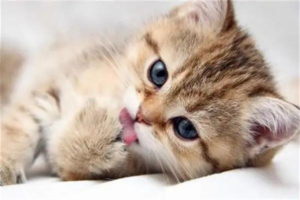
What Are the Signs of a Spoiled Cat?
A spoiled cat often shows clinginess, finicky eating, aggression, and constant demands for attention—behaviors rooted in over-indulgence rather than affection. Left unchecked, long-term pickiness harms nutrition and immunity, while possessiveness can turn into aggression toward people or other pets. Restoring balance means respecting the cat's independent nature, setting clear rules, and providing a stable, enrichment-rich environment.
What happens when a rabbit is frightened?
A frightened rabbit flees, rams the cage, becomes nervous, lethargic, loses appetite; severe fright can cause incontinence, paralysis, even death. Keep the cage in a quiet, stable-light spot. After fright, give food/water and let it be alone for days.
What if my cat won’t eat cat grass?
Not all cats voluntarily eat cat grass. Try mixing chopped young leaves into food, switching grass types, or using hairball paste or tablets as an alternative to help pass hairballs.
What to do if a baby kitten won’t eat?
A kitten refusing food may mean the formula is too dilute, the nipple too hard, or indigestion from overfeeding. Adjust concentration or nipple, feed small and often, and see a vet if it still won't eat.
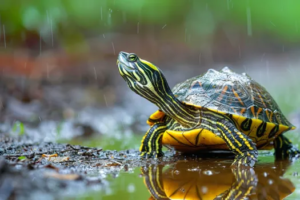
How to Feed Turtle Pellets Correctly
Feeding frequency and amount depend on the turtle's size, age, and appetite: hatchlings need daily small meals, adults every few days, more in warm weather, and none during hibernation. Soak pellets before feeding and mix in supplements for balanced nutrition.