Search Results
56 results for “flea control”

Canine and Feline Tapeworm Infection (Cestodiasis): Symptoms, Treatment, and Prevention
Tapeworm infection is caused by cestodes such as Dipylidium caninum and Taenia species residing in the small intestine of dogs and cats. Heavy infections cause poor condition and intestinal blockage, and are treated with antitapeworm drugs.

Canine and Feline Eperythrozoonosis (Hemotrophic Mycoplasmosis): Symptoms, Transmission, and Treatment
Eperythrozoonosis, also called hemotrophic mycoplasmosis, is a tick- and flea-borne infectious disease of dogs and cats marked by anemia and jaundice. It is treated with tetracycline-class antibiotics and supportive care.

Feline Hemobartonellosis (Feline Infectious Anemia): Symptoms, Treatment, and Prevention
Feline hemobartonellosis, also called feline infectious anemia, is a rickettsial disease caused by Mycoplasma haemofelis, marked by anemia and splenomegaly.
Why Does My Golden Retriever Keep Getting Mange Infections?
Recurring mange in Golden Retrievers usually means the mites in the dog's living environment were not fully eliminated. Topical flea and mite treatment kills the mites on the body, but without disinfecting the surroundings the dog gets re-infected.

Do Cats Need Deworming in Winter?
Parasites stay active even in winter, so year-round deworming matters. Fleas, ticks, heartworm, and intestinal worms can all affect cats during the cold months, and several safe topical and systemic products are available.

Cat Deworming Schedule and Precautions
Parasites are among the few diseases preventable by routine care; timely deworming is key to a cat's health.
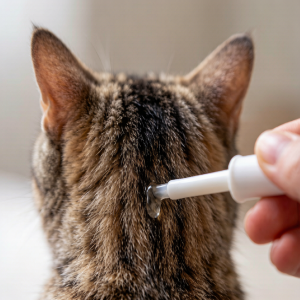
How to Use Revolution (Selamectin) on Cats
Dog flea or tick products are not recommended for cats, because certain ingredients are toxic to cats. However, the product Dog Revolution (selamectin) is safe for cats if the dose is appropriate. This article explains how to use the dog-strength product on cats to save money.

How to Prevent Parasites in Dogs
A parasite is an organism that lives in another organism, called the host. The dog is a host for parasites. Often, the parasite needs the dog's body to survive and can harm the dog.

Cat Deworming: Methods and Timing
Parasites are among the few cat illnesses you can actually prevent. A regular deworming schedule protects your cat — and since many parasites are zoonotic, it protects you too. Here is what to know about internal and external parasites and when to treat.

Illnesses Dogs Are Prone to in Autumn
Autumn's temperature swings put dogs at risk for colds, diarrhea, kennel cough, and parasites. Warmth, a steady diet, good ventilation, and on-time parasite control keep them safe.