Search Results
56 results for “flea control”
What Is Feline Haemobartonellosis?
Feline haemobartonellosis, also called infectious anemia, is a rare but serious disease caused by a blood parasite that attacks red cells and triggers their destruction. It spreads through bites, scratches, fleas and ticks, and from mother to kitten, with outdoor and unneutered males at higher risk. Signs range from fever and lethargy to pale, yellow-tinged gums; diagnosis is by blood smear or PCR. Treatment uses antibiotics such as doxycycline or enrofloxacin plus supportive care, though the cat stays a lifelong carrier.
Is Dog Neutering Risky for Infection in Summer?
Neutering a dog in summer does raise the chance of wound infection, because heat, humidity, and heavier sweat and oil let bacteria multiply faster and slow healing, while mosquitoes and fleas add irritation. With good care, though, a summer surgery can still go smoothly. Keep the incision clean and dry, use an Elizabethan collar, limit activity, provide a dry clean space, feed quality food, control parasites beforehand, and check the wound often for swelling, discharge, or odor, seeing a vet for anything abnormal. Choose a reputable clinic for the procedure.
How to Choose a Dewormer for Your Dog: A Science-Based Buying Guide
Choosing a reliable dog dewormer comes down to three things: a verifiable veterinary license, a broad-spectrum active ingredient that covers the parasites your dog is actually exposed to, and a price you can sustain month after month. Internal parasites (roundworms, hookworms, whipworms, heartworm) and external ones (fleas, ticks, lice, ear mites) require different actives, so a combined product or a matched pair is usually the most efficient plan. This guide explains the core selection criteria and the most common mistakes owners make, so you can protect your dog and your household without overspending.
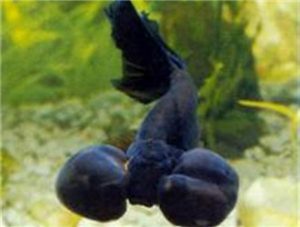
Black Bubble Eye Goldfish with Dorsal Fin
The Black Bubble Eye Goldfish with Dorsal Fin is an all-black variety of bubble-eye goldfish that first appeared around 1982, prized when its color is as deep as ink. Unlike tailless bubble eyes, it retains a normal dorsal fin. Its fluid-filled eye sacs are delicate and require careful handling and stable water conditions.

Skin Disease in Collies and Other Herding Breeds: Why Medication Must Be Chosen Carefully
Collies and related herding breeds often carry an MDR1 gene mutation that prevents normal drug clearance, making them dangerously sensitive to certain parasiticides such as ivermectin. Skin problems are treated as in any dog, but parasite control and other medications must be chosen with a veterinarian to avoid toxicity.

Hair Loss (Alopecia) in Dogs and Cats: Symptoms, Causes, and Care
Hair loss in dogs and cats ranges from localized patches due to friction or harsh shampoos to generalized shedding from parasites, fungus, or endocrine disease such as hypothyroidism. Identifying the cause guides the right treatment.

Canine and Feline Seborrheic Dermatitis: Symptoms, Treatment, and Prevention
Seborrheic dermatitis is a disorder of skin lipid metabolism in dogs and cats, producing dry scales, greasy sebum buildup, or inflamed crusted skin. It may be primary (often hereditary) or secondary to parasites, infection, or endocrine disease such as hypothyroidism.

Canine and Feline Atopic (Allergic) Dermatitis: Symptoms, Treatment, and Prevention
Atopic dermatitis, also called allergic dermatitis, is an IgE-mediated skin hypersensitivity in dogs and cats, marked by intense itching, redness, and hair loss that often begins around the eyes, toes, and groin. Mild cases may resolve once the allergen is removed, while persistent cases need veterinary-directed anti-inflammatory therapy.
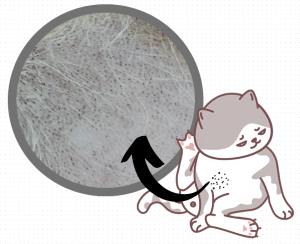
Black Dots on Your Cat’s Skin: Folliculitis, or ‘Black Chin’ and ‘Stud Tail’
Black dots on a cat's skin are usually the early sign of folliculitis, like blackheads, driven by excess sebum, blocked follicles, and bacterial infection. On the chin it is called black chin, and on the tail stud tail or oily tail, both managed with gentle localized cleaning and diet adjustments.

Lice Infestation in Dogs and Cats (Pediculosis): Symptoms, Treatment, and Prevention
Lice are external parasites that cling to the skin and coat of dogs and cats, causing itching, hair loss, and skin irritation, with heavy infestations leading to anemia and poor condition. They are species-specific and controlled with parasiticides plus environmental cleaning.