Search Results
38 results for “flea comb”

Feline Leukemia: Symptoms and Treatment
Feline AIDS and feline leukemia are topics owners avoid; clinically similar yet different. There is a separate article on feline AIDS for those interested.

Cat Deworming: Methods and Timing
Parasites are among the few cat illnesses you can actually prevent. A regular deworming schedule protects your cat — and since many parasites are zoonotic, it protects you too. Here is what to know about internal and external parasites and when to treat.

Essential Dog Deworming: What Every Owner Should Know
Regular deworming protects dogs from internal and external parasites, even indoor pets, since owners can carry eggs home. Puppies start around eight weeks, adults every three months, and product choice should match lifestyle and veterinary advice.

What Is Feline Panleukopenia?
Panleukopenia is a fast, fatal-sounding viral disease — but fear comes from not understanding it. Infection needs three things: a source, a route, and low immunity, so even a cat that never goes out can be at risk.

How to Care for Your Dog’s Coat
A glossy coat comes from regular brushing, sensible sun, restrained bathing, parasite control, and good food. Build these habits and your dog's fur stays smooth, clean, and healthy.
Parasites on Stray Cats: What to Do
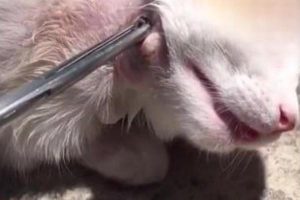
Strays, with weaker immunity, often carry both internal parasites (roundworms, coccidia, hookworms, toxoplasma) and external ones (fleas). Signs include diarrhea and fever; treat with combing, a flea shampoo, and broad-spectrum dewormers, then keep the coat dry and watch for post-treatment upset.

How to Treat Red Bumps on a Labrador
Red bumps on a Labrador usually come from mites, fungal infection, vitamin deficiency, or poor coat care — not random, and good hygiene prevents most. Treat the specific cause, feed a bland diet, keep the dog cool and the environment disinfected, and see a vet for widespread bumps.
Why Is the Skin Around My Cat’s Mouth Red?
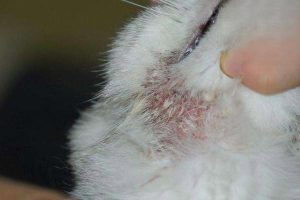
Redness around a cat's mouth is a sign of skin trouble, usually falling into one of three types: allergic, fungal or parasitic. Match the treatment to the cause—soothe allergies, fight fungus with an antifungal spray, ointment and medicated shampoo, or control parasites. A vet confirms unclear cases.
- « Previous
- 1
- 2
- 3
- 4