Search Results
36 results for “flea comb”
Are Combined Flea-and-Worm Treatments Right for Your Dog?
Combined spot-on treatments protect against many internal and external parasites in one dose, which is why they are a top choice for busy owners. But they are not universal—many don't cover ticks or tapeworms, and timing matters. This guide explains how they work, how to match the active ingredients to your dog's risks, and how often to dose.
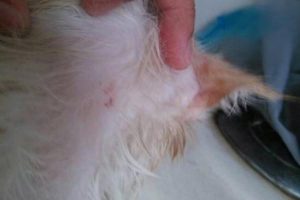
Removing Fleas from Your Cat: Bathing, Combing, and Home Treatments
Fleas thrive in a cat's thick coat and can cause itching, skin damage, and disease. Combing, bathing with a flea shampoo, medicated dips, and a clean environment are the most reliable ways to clear them. A consistent preventative routine keeps them from coming back.
How Combined Spot-On Parasite Treatments Work
Parasite control is now routine for most pet owners, but choosing among crowded products is hard. Combined internal-and-external spot-on treatments have become the top pick because one monthly application covers many parasites. This guide explains why prevention matters, how a combined spot-on works through the ingredient pair imidacloprid plus moxidectin, and how to apply it safely and conveniently. Quality products are gentle, clearly labeled, and free of harsh additives—making professional-level prevention practical for ordinary homes. Always confirm the right product with a veterinarian.
Choosing a Cat Dewormer: Why Combination Spot-Ons Suit Multi-Cat Homes
For mostly-indoor cats, a broad-spectrum, gentle combination spot-on is the most cost-effective and stress-free choice—and because most cats hate pills, a transdermal drop avoids force-feeding and the anxiety it causes, which is ideal for beginners and multi-cat households. Useful active types include imidacloprid-moxidectin (prevents a dozen-plus internal and external parasites and heartworm), fipronil-methoprene-eprinomectin-praziquantel (adds tapeworm and tick coverage for outdoor or raw-fed cats), and selamectin (very gentle from six weeks, pregnancy-friendly). In a multi-cat home the real work is operational: deworm all cats together, dose strictly by weight, use an Elizabethan collar and separation to stop licking, and avoid baths 48 hours around treatment. Above all, prevention beats treatment.
How to Choose a Combined Parasite Treatment for Your Cat
Even indoor cats catch parasites—fleas, ear mites, roundworms, and mosquito-borne heartworm all reach them. Combined spot-ons treat inside and out in one dose without pills, which is why they are the top choice for house cats. The real question isn't 'which brand' but 'which active ingredients fit your cat's risks.' Here is the science, minus the marketing.
What to Keep in Mind When Using Topical Flea and Tick Treatment on Cats
Cats can pick up external parasites at any time of year, so regular preventive treatment matters. Topical products come as sprays or spot-on drops, and their coverage depends on the active ingredient, so the right choice depends on your cat's lifestyle and the parasites it faces. Apply spots along the spine, dose by weight, avoid bathing for a few days, and use an Elizabethan collar to prevent licking. Kittens can start around two months old with monthly treatment; adults need it every one to three months, more often in warm seasons or for outdoor cats. Never use dog-only products containing permethrin on cats.
How to Choose a Parasite Treatment: Internal, External, and Combined
Parasites threaten every pet, even indoor ones, and choosing among internal, external, and combined treatments is where new owners get stuck. This guide lists the common parasites cats and dogs face, explains the three product categories and their typical active ingredients, and answers beginner questions—why deworm even with no visible bugs, where to apply drops, when bathing is safe, and whether imports are always better. The takeaway: deworming is a long-term habit built on the right product, correct use, and consistency.

How to Remove Fleas From a 1.5-Month-Old Cat
A young kitten's fleas are best handled with a vet-approved topical drop, a fine comb, and a clean home. Disinfect the environment and keep up prevention so they do not return.

How to Get Rid of Fleas on Your Dog: A Step-by-Step Guide
Fleas breed fast, so removal takes persistence: spot them early, use a spray and medicated bath, wash the dog's belongings, and vacuum daily to starve the eggs hiding in your home.

How to Get Rid of Fleas on Your Cat Fast
The fastest fix for cat fleas is a topical spot-on treatment, but combing, medicated baths, and a clean home all help. Treat the environment too, or fleas simply return within days.