Search Results
35 results for “flat bone”

Pyxis planicauda (Malagasy Flat-tailed Tortoise)
The flat-tailed tortoise is found along the west coast of Madagascar, closely resembling the spider tortoise but recognized as a distinct species. It is a shy, mostly herbivorous tortoise that aestivates through the dry season.

Chondrosarcomas in Dogs and Cats
Chondrosarcoma is a malignant bone tumor from cartilage cells, second only to osteosarcoma in frequency. It favors flat bones such as ribs, nasal bones, and pelvis and is seen more in German Shepherds. Outlook is guarded even with surgery.
Lionhead Rabbit: Appearance and How to Choose One
The Lionhead rabbit is small but round, with a plump body and a distinctive mane of long fur around the neck that forms a V shape like a tiny lion. Picking a healthy individual is the key to successful keeping. Avoid unweaned or very young rabbits, which are fragile and harder to raise; beginners should choose one over two months old. Knowing the breed's looks and common ailments helps you select a vigorous pet and care for it well.
Cat Food Ingredients to Avoid, No Matter How Cheap
Not all cat food is created equal, and the ingredient list is the single most reliable way to judge quality. Some products hide preservatives, flavor enhancers, and fillers that can harm your cat over time — from potential carcinogens like BHA, BHT, ethoxyquin, and TBHQ to appetite stimulants such as MSG and pyrophosphate. Other risky additives include propylene glycol, nitrites, synthetic vitamin K3, and thickening gums, while artificial colors and sweeteners add sugar and nothing of value. Because cats are obligate carnivores, diets overloaded with corn, wheat, or soy not only lack nutrition but may trigger allergies and even aflatoxin exposure. Learning to read the label helps you protect your cat from low-grade food, no matter how attractive the price.
What Causes Malocclusion in Rabbits?
Malocclusion, or misaligned teeth, is a common rabbit dental disease with congenital and acquired forms; most cases are acquired from poor management. Rabbit teeth grow continuously, so they must wear them down by eating coarse fiber like grass. Without enough chewing, teeth overgrow and slip out of alignment. Overlong teeth can cut the lips, tongue, and cheeks, cause painful refusal to eat and mouth ulcers, and in severe cases the roots may pierce into the nasal cavity, eye socket, or jaw, forming abscesses. Prevent it with regular dental checks and plenty of hay for wear.

Tiger Shovelnose Catfish
The Tiger Shovelnose Catfish, also known as the shovelnose catfish, duckbill shark or tiger porthole catfish, is native mainly to the Amazon River basin of South America. It is one of the most popular of the large catfish species among aquarists.

Pearlscale Butterflyfish
The Pearlscale Butterflyfish, also known as the Yellow Butterflyfish, is a marine reef fish of the butterflyfish family. It is mainly distributed in the coral reefs of the western Pacific. Among butterflyfish, its appearance is rather special.
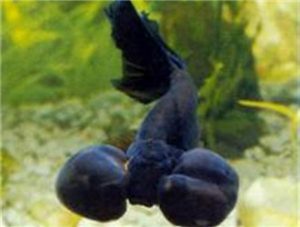
Black Bubble Eye Goldfish with Dorsal Fin
The Black Bubble Eye Goldfish with Dorsal Fin is an all-black variety of bubble-eye goldfish that first appeared around 1982, prized when its color is as deep as ink. Unlike tailless bubble eyes, it retains a normal dorsal fin. Its fluid-filled eye sacs are delicate and require careful handling and stable water conditions.
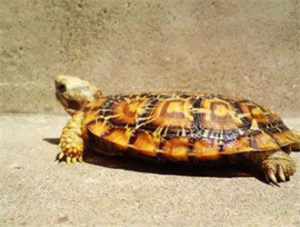
Pancake Tortoise
A flat, flexible, rock-crevice tortoise (Malacochersus tornieri) that flees instead of hiding - a fast, escape-prone, CITES II conservation concern.

Angonoka (Ploughshare) Tortoise
One of the world's ten most endangered turtles - fewer than 1,000 left in Madagascar, CITES I, and effectively not tradable. Education-only profile.