Search Results
104 results for “fixed routine”

What to Do When Your Dog Won’t Sleep at Night
In the early days of dog ownership, many owners are puzzled when their dog won't sleep at night - running around and howling, seriously disturbing the family and neighbors. What should you do, and how can you calm the dog down?

Can Cats Get Dementia (Cognitive Dysfunction)?
Senior cats can develop Cognitive Dysfunction Syndrome, causing confusion, accidents, and changed behavior. It can't be cured, but diet, brain games, a stable routine, and avoiding aluminum bowls can slow it.
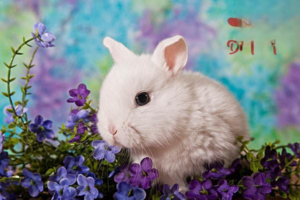
Feeding Principles for Rex Rabbits
Rex rabbits are herbivores fed mainly on greens and roughage with limited concentrates (greens 60–70%, roughage+concentrates 30–40%). Vary the diet, keep feed and water fresh, change feed gradually, prefer palatable pellets, and feed on a fixed schedule to aid digestion.

Why Is Your Cat Not Eating? Is It Sick?
A cat that stops eating may be in heat, ill (gut, oral, kidney, or parasite disease), poorly fed, stressed by its surroundings, or simply anxious. Rule out illness with a vet, then fix diet, environment, and routine.
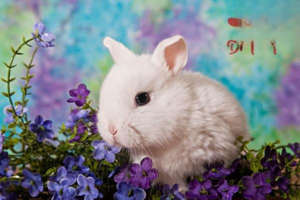
Good Ways to Get Your Rabbit to Return to Its Cage
Rabbits kept caged too long crave the outside and resist returning. The solution is to build a fixed out-and-back routine, use food motivation, avoid unfamiliar scents, and keep the cage clean. This guide explains each step.
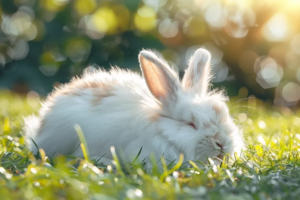
What to Do When Your Pet Rabbit Won’t Return to Its Cage
A rabbit that bolts out and refuses to return is a common headache. Set a fixed exercise schedule, use gentle petting at return time, and offer treats as a backup—but bonding through interaction is the real fix. This guide explains.

How to Support a Cat with a Sensitive Stomach
Some cats have notoriously delicate digestions—the so-called glass stomach—prone to soft stools, diarrhea, and vomiting. The key to managing it is diet. Choose a limited-ingredient, single-protein hypoallergenic food, feed small meals several times a day, and always transition new food over seven days. Pet-specific probiotics (mixed into water below 40°C so the live cultures survive) help rebalance gut flora, while a calm, low-stress home prevents flare-ups. If symptoms persist or worsen, a vet check and possibly a prescription gastrointestinal diet are the right next steps.
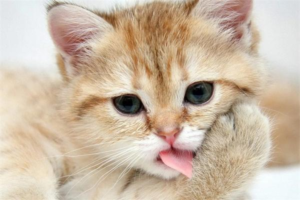
How to Calm a Stressed Cat (Feline Stress Response)
Stress can cause digestive issues, mood swings, and behavior changes. To ease it, find the cause, create a stable safe environment, spend more time, and use pheromones or calming scents. Prevention is a stable home and watching mood. If the cat vomits, won't eat, or shows urinary blockage/blood, see a vet promptly.

Why Dogs Refuse to Eat
There are many reasons a dog refuses food - improper feeding, a monotonous diet, indigestion, lack of exercise, low mood, being in heat, or illness. Address the specific cause with a targeted solution. To prevent anorexia, feed sensibly, choose high-quality kibble as the staple, and vary the diet so the dog doesn't lose interest in food. Also feed on a fixed schedule and portion to build good eating habits.

What Does a Rabbit Do All Day?
A rabbit's day runs in cycles: active early morning (5–6 am) and again evening (4–6 pm to 10–11 pm), with a long midday nap. Its schedule also shifts to match the owner's habits.