Search Results
104 results for “fixed routine”

Practical Feeding Tips for Your Dog
Feeding well means set meal times, quality kibble, and minimal switching. Watch the bowl to gauge portions, and use mealtime for basic training.

How to Feed and Raise a Puppy
Feed a puppy small meals about four times a day on a fixed schedule to protect its delicate stomach, and never use human milk — use a proper puppy formula mixed into soaked kibble. Keep vaccines on schedule (the first distemper/parvo shot around three months), balance food with short 15–30 minute outings, and let a new arrival settle in before feeding.

Why Is My Dog Vomiting Yellow Foam and Mucus?
Yellow foam and mucus usually mean gastroenteritis, but the cause can also be parvovirus, indigestion from overeating, irregular feeding, internal parasites, or a swallowed foreign object. Because the causes range from mild to life-threatening, a dog that vomits repeatedly needs a veterinary diagnosis.

How to Train a Border Collie
Border Collies are brilliant, so success starts with scheduled feeding, daily exercise, and coat care before formal training begins. Teach housebreaking young, add complex tasks as they grow, and correct bad behavior early before it becomes a habit.
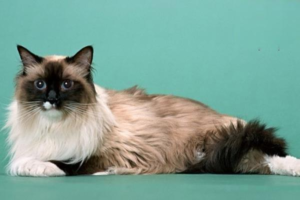
Why Your Cat Has No Appetite but Still Acts Normal
A cat that skips meals but stays bright is rarely sick — the usual culprits are a seasonal dip, treat-driven pickiness, heat, mood, or stale food, with oral disease the one to rule out by checking the gums. As long as the energy holds, fix the routine (set mealtimes, fewer snacks) and watch; a vet visit is only urgent if the spark fades too.

How to Tell If Your Cat Is Sick
A sick cat hides its discomfort, so the earliest clues are changes in sleep, litter-box habits, appetite, weight, coat, and water intake. Red flags such as vomiting, diarrhea, labored breathing, a head tilt, or straining to urinate need a vet, and routine checks also catch fleas, hairballs, hyperthyroidism, diabetes, and urinary disease.

How to Feed Your Cat
Good feeding comes down to three rules: never overfeed, never serve expired or toxic food, and never feed by mood. A dog's stomach is more delicate than ours, so portion control — about 70 to 80 percent full, on a fixed schedule — protects it from gastritis and picky eating, while steady routines keep both body and mood healthy.

Why Dogs Vomit Yellow Fluid and How to Treat It
Vomiting yellow fluid is usually tied to diet or gastrointestinal disease, and the underlying cause is revealed by the dog's body condition, feeding routine, and what the vomit looks like. Once you rule out a gastric foreign body or viral infection, most cases from gastritis or gastroenteritis improve with short-term fasting, antiemetics, and gut support.

The Dangers of Canine Parvovirus (CPV)
Any dog owner has heard of canine parvovirus with dread, but how much do you know? It's one of the most severe contagious diseases of dogs!

Simple Coping Strategies for Cat Stress Responses
Cats, like us, feel stress and tension. When tense they easily show stress responses, and excessive stress affects health and lifespan. How can owners help? Here we detail cat stress sources and simple coping strategies.