Search Results
260 results for “fish parasites”

Common Factors That Make Arowana Sick
An arowana's health is closely tied to how it is kept. Poor feeding, fright, bad water changes, fighting, external infection, and overall poor water quality are the main triggers of illness. The single most important preventive measure is stable, clean water—use a filter and change water on a schedule.

Why Do Arowana Refuse to Eat?
Arowana may refuse food for many reasons—poor water quality, fright, temperature swings, environmental change, illness, improper feeding, or internal parasites. If the fish is otherwise active, refusal alone isn't alarming. Key fixes: stabilize pH (6–7.5), avoid sudden changes, and treat any underlying disease.
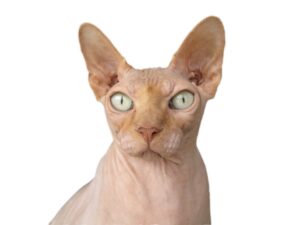
Sphynx
Sphynx (details)

Japanese Bobtail
The Japanese Bobtail, also known as the Lucky Cat (Maneki-neko), is very popular in Japan. Cat lovers, upon hearing 'lucky,' want one. It is a native Japanese breed with a history tracing back centuries. Bred in the US after introduction, it is said an American cat lover in Japan found a cat with a short rabbit-like tail and brought several back after WWII; these are the ancestors. The Japanese Bobtail sits with one front paw raised, said to represent good fortune.

Singapura、Kucinta
The Singapura originates from Singapore and is also known as the Lion City Cat. With the English names Singapura and Kucinta, it is the smallest cat breed in the world, attracting much attention from cat lovers. Its less pleasant nicknames, drain cat and sewer cat, come from its living environment: early on, the Singapura was unwelcome among locals and forced to live in drains or sewers, hence the names.

Ragdoll
Ragdoll (details)

What to Do When a Cat Loses Its Appetite
A cat that won't eat may have indigestion, a boring diet, illness, or stress. Find the cause, then adjust feeding, add variety, see a vet, or ease the environment.
Why do koi get rot-gill disease?
Koi gill rot relates to poor water, low-quality feed, environmental or drug irritation. Long-term hard soft water forms a film hindering breathing; poor water breeds bacteria/parasites; feeding stale small fish also causes it.

What to Watch for When Raising Dogs in Spring
Spring's high humidity and active parasites raise the risk of skin disease, colds, and stomach upset in dogs. Keep the coat dry, warm the dog after baths, add vitamins during the shedding season, and deworm monthly (pups) or every 2-3 months (adults).

Why Does a Parrot Pluck Its Feathers?
A parrot plucks its feathers to groom, out of boredom or stress, from calcium/vitamin deficiency, or due to infection (feather lice). Bathe it every 2–3 days, give chew toys and out-of-cage time, keep a quiet spacious cage, supplement calcium and greens, and deworm or see a vet for skin disease. Occasional plucking is normal; frequent plucking needs attention.