Search Results
506 results for “fish growth”
Why does my goldfish have white fuzzy growth on its head?
White fuzz on a goldfish's head is very likely Ich, or white spot disease. Affected fish also show poor spirits, reduced appetite, and low activity. Ich is mainly caused by big temperature swings; adding a suitable amount of malachite green daily usually improves the fish within a week. Keep the water temperature stable.

Side Effects of Feeding Fish to Cats Long-Term
Long-term fish feeding harms cats: fish thiaminase destroys vitamin B1, fish drains vitamin E, and fish-liver phosphorus blocks calcium absorption. It also makes cats addicted and picky. Supplement B1, E, and calcium if fish is on the menu.

What Do Cleaner Fish Do?
Cleaner fish are the 'doctors' of the aquarium: they graze leftovers and algae to keep water clean, and some even nip dead tissue and pathogens off sick tankmates. Most are small, gentle tropical fish that need stable warm water and must not be overfed if you want them to keep working.
How to Improve the Survival Rate of Ornamental Fish
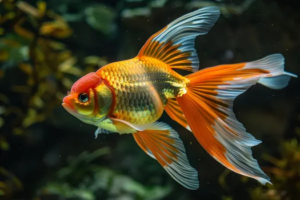
To raise survival, fishkeepers should feed reasonably, change water regularly, clean filter media, keep temperature suitable, and control stocking density. Match diet to the species, control amount and frequency; regular water changes and filter cleaning keep water quality. Keep temperature right and density appropriate for tank size. Before mixing species, learn which coexist to avoid losses.

Common Goldfish Diseases and Their Prevention
Common goldfish diseases include white spot (ich), cloudy eye, saprolegniasis, enteritis, fin/tail rot, and dropsy (pinecone disease). Learn these to prevent and lower illness risk. Water quality is the main health factor—keep it clean with regular changes and cleared waste to avoid bacterial growth and infection. Keep temperature steady and oxygen sufficient.

What Factors Affect a Goldfish’s Body Color?
Goldfish color is affected by genetics, light, water quality, diet, temperature, and environment. Genetically, early-fading fish pass it to offspring. Low light causes fading—provide natural or artificial light. Low dissolved oxygen also causes fading, so keep oxygen sufficient.

Why Is My Goldfish Losing Its Color (Fading)?
Goldfish color is affected by age, light, and water. As they age (past 4 years) fading is natural—no concern. But low light, wrong temperature, poor nutrition, or low oxygen also cause fading. Judge by the actual cause: add light (or a color lamp) for low light, and aerate for low oxygen.

What Foods Help Goldfish Grow and Develop?
Goldfish are omnivorous—they eat live animal food, plant matter, and prepared pellets. Live foods include bloodworms, daphnia, cyclops, paramecium, mosquito larvae, tubifex, mealworms, yellow mealworms. Plant foods: aquatic plants, algae, duckweed, tender greens, fruit. Newly hatched fry take boiled egg yolk, brine shrimp eggs, infusoria; ages 1–2 months mainly animal food; after 2 months, prepared food plus some animal/plant food.

How to Tell Good from Bad Goldfish Food
Judge food quality by color, smell, water stability, and size. Good pellets are dark yellow-brown, smell of soybean meal and fish meal, hold together in water, and aren't greasy. Greasy food uses oil-spraying, which harms fish. Smaller pellets are easier to eat and digest; imbalanced size wastes food and causes gut issues.

How Deep Should Goldfish Water Be?
Keep goldfish water 30-50 cm deep. Moderate depth aids swimming and growth; too shallow limits space, too deep hinders feeding and breathing. Ornamental types (butterfly tail, dragon-eye) prefer shallower water, active types (ryukin, Thai lion) prefer deeper. Adjust by the fish's behavior and keep water quality and oxygen good.