Search Results
60 results for “fish flavor”
What happens if a Golden Retriever refuses dog food?
Refusing dog food can cause nutritional imbalance, weaker immunity, and poor development in a Golden Retriever. Try other flavors, toppers, or mix-ins, but limit snacks to avoid picky eating.

Why You Should Not Feed Turtle Pellets Alone Long-Term
Pellets vary in quality and can lack fiber and minerals, leading to poor nutrition, while long-term single-food feeding causes pickiness. Rotate high-quality pellets with varied fresh foods to keep a turtle healthy.
Don’t Get Fooled by ‘Trendy’ Dog Food — How to Avoid the Bad Stuff
Avoid foods whose first ingredients are vague 'meat meal', 'animal by-products', or 'meat extract' — these can be untraceable and low in usable protein. Also skip artificial colors, flavors, and risky preservatives like BHA, BHT, and ethoxyquin, and check for a verifiable third-party test report.

What’s the Difference Between Cat Food and Dog Food?
Cat and dog foods differ in ingredients, nutrition, texture, and purpose. Cat food is richer in animal protein and contains taurine, which dogs don't need; feeding a cat dog food long-term causes malnutrition, poor coat, and taurine-deficiency heart and eye damage. Always feed species-appropriate food.

Cat Won’t Drink in Summer? 8 Tips to Get It Drinking on Its Own
A healthy adult cat needs about 50-60 ml of water per kg of body weight each day, but dry kibble is only around 5-10% moisture, so summer drinking matters even more. Cats sweat only through their paw pads and ears and cool poorly, so low intake risks heat stress. Practical fixes: use a shallow ceramic or glass bowl (deep bowls annoy whiskers), offer a filtered running-water fountain, keep bowls over 1.5 m from the litter box and place several around the home, rehydrate freeze-dried food, serve wet food in the evening, and offer unsalted broth a few times a week. Senior, obese, and chronically ill cats need closer monitoring for dehydration.
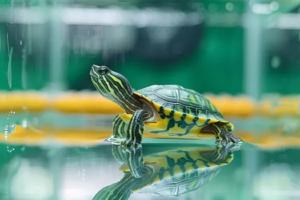
How to Feed and Choose Turtle Pellets
A proper diet is the key to a healthy, long-lived turtle. Choose high-quality pellets made from fresh fish and shrimp and matched to your turtle's species and feeding habits, then control the amount and frequency of feeding. Beyond pellets, offer fresh fruit, vegetables, and greens for extra nutrition—but never chocolate, onions, or other harmful foods. Soaking pellets for 10 minutes before feeding small turtles under 10 cm aids digestion, and rotating brands keeps the diet varied so your turtle doesn't turn picky. A little attention to feeding goes a long way.

What to Do If Your Turtle Eats Only Meat and Rejects Pellets
A turtle that refuses pellets for meat usually has a taste preference or a digestion issue, but long-term meat eating risks gut inflammation, pickiness, malnutrition, and fatty liver. First check that the pellets are fresh and clean, or try a different brand, shape, or flavor—always soak pellets in water so the turtle can swallow. You can also change the routine: more swimming time and sunlight boost appetite. The firm fix is 'starvation training'—offer only pellets, no meat, until hunger wins. If nothing works, or you're unsure the turtle needs food, consult a veterinarian for a tailored plan.

Why Is Your Cat a Picky Eater?
Picky eating often has a simple cause. A too-deep bowl blocks access; stale kibble loses its smell to a sensitive nose; an unwashed bowl grows microbes that ferment and repel the cat; or the cat simply dislikes the current flavor - some prefer fish, some chicken, and 'digging' at the bowl means try a higher-protein food. Signs: refusing kibble but loving treats, cans or meat; eating a bite then playing; if it ignores even favorite treats, suspect illness not pickiness. Long-term pickiness brings malnutrition, anemia and low blood sugar, so keep meals calm and switch to a palatable food when needed.

5 Steps to Read a Cat Food Ingredient List
Ingredients are listed by weight, so the earliest items dominate. For a carnivore, meat should lead—fresh meat best, then dehydrated, then meat meal—with about 10% organ meat for taurine and fat. Avoid controversial fillers (grains, potato, tapioca, pea), plant oils, and thickeners; steer clear of harmful additives like BHA/BHT, ethoxyquin, propylene glycol, and artificial flavors. Look instead for bonuses: taurine, fish oil (omega-3/6), and vitamins E and B.

What to Do When Your Pet Swallows a Foreign Object
Chewing on household items is natural for cats and dogs, but what starts as play can end with something swallowed by accident. Some objects are merely harmless, while others can damage health or even be life-threatening. If your pet ingests something dangerous, get to a veterinary clinic at once — never try to induce vomiting at home. Knowing which foods and objects are toxic, and calling the vet with clear details, can make all the difference.