Search Results
60 results for “fish flavor”

How to Tell Good from Bad Goldfish Food
Judge food quality by color, smell, water stability, and size. Good pellets are dark yellow-brown, smell of soybean meal and fish meal, hold together in water, and aren't greasy. Greasy food uses oil-spraying, which harms fish. Smaller pellets are easier to eat and digest; imbalanced size wastes food and causes gut issues.
My dog barely eats this week, refuses all kibble, only eats sausage and fish, and its eyes are red, swollen, and won’t open
Refusing kibble for sausage/fish is likely picky eating; swollen eyes may be 'internal heat'. Sausage is high-salt/starch, burdens digestion and causes heat. Adjust diet: try different kibble, stop high-calorie/salt food, keep light and varied. If picky persists, let it fast a while but don't exceed 3 days without food.
How is Go! Three Fish cat food?
Go! Three Fish is a Go! brand cat food using three fish as main ingredients for rich protein and minerals. Fish provide unsaturated fatty acids that support heart, skin, and coat health. Palatability is generally good, though cats vary in taste.
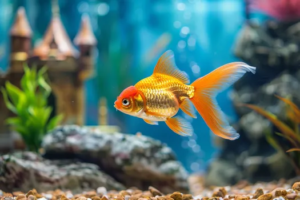
What Feed Should You Give Your Fish? Pros and Cons of Different Fish Foods
Fish foods come in many forms — live animal feeds, frozen feeds, and artificial diets. Here is how they compare, plus the common options in each group, so you can keep your fish healthy and colorful.

How to Feed Goldfish a Balanced Diet
Goldfish are omnivores that eat both plant and animal foods, so a sensible diet mixes the two. Offer finely chopped veggies and fruit—carrot, cucumber, apple—for vitamins and fiber, plus small live or frozen foods like daphnia, bloodworms, and brine shrimp for protein. Feed a quality goldfish pellet as the staple, twice daily in amounts finished within 10 minutes, and keep the water clean, oxygenated, and planted with greenery. A varied, measured diet, with the occasional live-food treat, is the recipe for healthy, vibrant goldfish.
How to Choose a Cat Food Flavor Your Cat Will Love
The cat-food aisle is overwhelming, but the best choice meets both your cat's health needs and their natural preferences. Cats are born meat-eaters and famously love fish, because fish supplies the amino acids they cannot make themselves—deficiency causes rapid weight loss and failing vision. This article explains why fish-based and poultry recipes appeal to cats, what nutrients (vitamin A, taurine, quality protein) support skin, coat, and eyes, and how to read labels to pick a complete, balanced food your cat will actually enjoy.

What Foods Do Cats Prefer to Eat?
Cats lack the sweet-taste gene and rely on smell via the vomeronasal organ, so they judge food by aroma and umami, not sweetness. They detect at least six amino acids and prefer high-protein, fish-flavored, moist foods at room temperature—and they grow bored with the same diet unless raised on it from kittenhood. Vary textures and nutrients, but don't overindulge favorites or the cat will become a picky eater.
What If Your Cat Eats Only Treat Sticks and Refuses Kibble?
A cat that eats only treat sticks (cat paste) and skips kibble risks nutritional imbalance, weak immunity, and obesity, since these snacks are low in complete nutrition and high in fat. Wean gradually: mix 30% treat stick into kibble days 1–3, 15% days 4–7, 5% days 8–10, then kibble alone. Add play and puzzle feeders to build appetite. If the refusal is sudden with lethargy or weight loss, see a vet for stomatitis or illness.

What Snacks Can You Give a Cat?
Healthy cat snacks round out the vitamins and minerals a single dry diet can't supply, and the best ones please the palate while adding nutrition and moisture. Good choices include lactic-acid-bacteria pouches, gravy toppers, wet-food sachets, and freeze-dried training treats.

How to Prevent Megacolon in Cats
Megacolon is a chronic enlargement of the colon that shows up first as persistent constipation, and about two-thirds of cases are primary with no clear cause. Keeping a cat hydrated, high in fiber, at a healthy weight, and well-groomed is the best prevention; severe cases need enemas or surgery.