Search Results
828 results for “fever symptoms”

Canine and Feline Systemic Lupus Erythematosus
Systemic lupus erythematosus is a multisystem autoimmune disease causing fever, joint pain, mouth ulcers, and often anemia or kidney involvement. It is managed long-term with immune-suppressing therapy.

Canine and Feline Autoimmune Hemolytic Anemia
Autoimmune hemolytic anemia is a disorder in which the immune system destroys the pet's own red blood cells, causing sudden anemia, jaundice, and weakness. It is treated with immune suppression and, when severe, transfusion.

Canine and Feline Pemphigoid
Pemphigoid is an autoimmune blistering disease that produces firm, hard-to-rupture blisters on the skin and mouth. It is managed with immune-suppressing and protective therapy.

Canine and Feline Pemphigus Vulgaris
Pemphigus vulgaris is an autoimmune skin disease that causes blisters and ulcers at the junctions of skin and mucous membranes, especially in the mouth. It is managed with immune-suppressing and protective therapy.

Hypoparathyroidism in Dogs and Cats
Hypoparathyroidism is low parathyroid hormone from parathyroid injury that causes severe low blood calcium and neuromuscular hyperexcitability: muscle tremors, ataxia, and seizures. Correcting calcium with calcium and vitamin D is the mainstay of treatment.

Myelitis and Meningomyelitis in Dogs and Cats
Myelitis and meningomyelitis are inflammations of the spinal cord and its surrounding membranes, often secondary to infection or trauma. They cause fever, pain, and progressive weakness or paralysis, and treatment must eliminate the underlying cause while controlling inflammation.
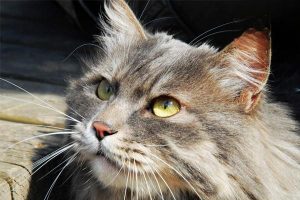
Hepatic Encephalopathy in Dogs and Cats
Hepatic encephalopathy is a neurological syndrome in dogs and cats caused by liver dysfunction that allows toxic metabolites such as ammonia to reach the brain. It produces recurring signs ranging from lethargy and ataxia to seizures, circling, and coma, and is often triggered by high-protein meals, gastrointestinal bleeding, or dehydration.

Sinus Tachycardia and Bradycardia in Dogs and Cats
Sinus tachycardia is a faster-than-normal but regular heart rhythm, common in newborn puppies and kittens and usually harmless on its own. Sinus bradycardia is a slow rhythm from hypothyroidism, toxicity, or low potassium. Both are managed by treating the underlying cause.

Hydronephrosis in Dogs and Cats
Hydronephrosis is the buildup of urine in the kidney's collecting area when outflow is blocked, affecting one or both kidneys. Bilateral cases cause kidney failure and uremia, and trapped fluid can turn to pus if infected. Restoring urine flow early protects kidney function.

Glomerulonephritis in Dogs and Cats
Glomerulonephritis is immune-mediated inflammation of the kidney's filtering units, often following infection or toxicity, causing fever, vomiting, kidney pain, and later blood in the urine or edema. Veterinary care controls inflammation and protects kidney function before uremia develops.