Search Results
827 results for “fever symptoms”

Dog Fever: Symptoms and How to Tell
A feverish dog turns sluggish and sleepy, loses interest in food and play, and may show a dry hot nose, rapid panting, or red eyes — all signs to see a vet. While owners without medical training should head to the clinic, you can lower the temperature first with physical cooling: alcohol on the belly and ears, or a towel-wrapped ice pack on the belly for a minute at a time.
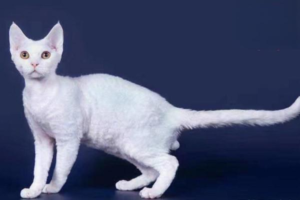
Cold Symptoms and Fever in Sphynx (Hairless) Cats
Sphynx (hairless) cats lack a fur coat and lose heat far more easily, so they catch colds more readily than other breeds. Mild cases with a low fever under 39.5°C can often recover at home with warmth and supportive care, but a cat that won't eat, grows weak, or fails to improve needs prompt veterinary attention.

Symptoms of Fever in Kittens
Not only people catch colds and fevers; small animals do too. The most obvious sign of fever in cats is a rise in body temperature; a temperature of 39.2°C means fever. Below we explain in detail the symptoms of fever in kittens.

Dog Fever: Symptoms and How to Treat It
Seasonal and day-night temperature swings make dogs as prone to colds as people, so owners should watch for changes in their dog's condition and not wait until illness is severe. Here is how to recognize the signs of fever in dogs.
What are the symptoms of a fever in a Labrador?
A fevering Labrador is usually depressed, has low appetite, a dry nose, high temperature, and hot ears; over 39C means fever needing cooling. Use alcohol wipes for low fever.
What are the symptoms of a high fever in a dog?
A feverish dog is listless with poor appetite, fast breathing, panting, and hot body, ears, armpits, and paws. Take its temperature; cool it and see a vet if it persists.
Labrador: slight rhythmic twitching of front limbs during sleep, also involving the head; touching the head shows something being pushed up. During the day it nods rhythmically when sitting or standing, more noticeable when calm. Appetite and energy normal, no fever/vomit/diarrhea. Suspect ear infection; cleaning the left ear at night got a strong reaction. Symptoms only clear on video.
Mild sleep twitching is often dreaming or cold, which is normal. Since appetite and energy are normal, that is the likely cause; keep it warm. If twitching is frequent, see a vet to rule out disease.
What are the symptoms of a fever in a Pug?
When a Pug has a fever, it typically shows an elevated temperature, weakness, loss of appetite, low spirits, and sleepiness, and is more easily tired than usual, preferring to lie still. If you notice these signs, take the dog to a veterinary hospital promptly to find the cause and provide targeted treatment. If a visit is temporarily inconvenient, you can first use physical cooling to relieve the fever.
What are the symptoms of fever in a Bichon?
A feverish Bichon shows low energy, poor appetite, dry hot nose, and raised temperature, sometimes rapid breathing and red belly and eyes. Its body, ears, nose, and paws feel hotter; cool it physically first, then use fever medicine.
What are the symptoms of a fever in cats?
A feverish cat often shows chills, refusal to be touched, poor appetite, lethargy, shivering, a hot body, and faster breathing. Measure with a pet thermometer; above 39°C means fever. Use physical cooling and see a vet if it persists.