Search Results
827 results for “fever symptoms”
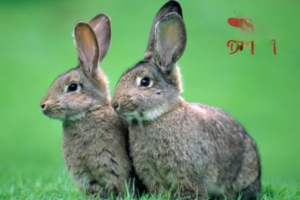
Rabbit Bronchitis: Causes, Diagnosis, and Treatment
Rabbit bronchitis, common in old and weak rabbits, brings cough, nasal discharge, and chest rales from cold, dust, mold spores, or irritant gases. Acute cases shift from dry to wet cough with breathing trouble; chronic ones cough after exercise or in cold air. Treat with antibiotics, cough suppressants or expectorants, and herbal tablets.
Preventing and Treating Rabbit Paratyphoid (Salmonellosis)
Rabbit paratyphoid (salmonellosis) is a zoonotic infection spread by contaminated feed and water, rodents, and flies; signs range from sudden death to diarrhea, wasting, and abortion in pregnant does. Control it by excluding vectors and vaccinating does, and treat with chloramphenicol, oxytetracycline, streptomycin, or sulfonamides.

Causes and Treatment of Cellulitis in Dogs
Staphylococcus and streptococcus are the main bacteria behind cellulitis, though some cases come from mixed putrefactive infections and usually need surgical debridement. Here are the causes and treatments of canine cellulitis.

Causes and Treatment of Tonsillitis in Dogs
The most common cause of canine tonsillitis is a bacterial infection. If your dog's tonsils are inflamed, treat it promptly to stop the inflammation from worsening or turning into a secondary purulent infection. Here are the causes, symptoms, and treatments.
How long should a dog with diarrhea be fasted?
For severe diarrhea, fast 24 hours. Mild diarrhea needs no fasting; give some probiotics to regulate the gut. Frequent diarrhea with poor spirits suggests a 24-hour fast while watching closely; if no improvement or vomiting/fever appears, consult a vet promptly.

Long-Haired Curly Guinea Pig
The Long-Haired Curly Guinea Pig, also known as the long-curly-haired cavy, is a rare and distinctive guinea pig variety native to Peru and Brazil. With its unique curly long coat and gentle nature, it makes a beloved small pet, though its coat requires regular grooming to prevent matting.
How can you tell if a dog’s eye discharge is normal?
A small amount of eye discharge is normal, formed from tears mixed with bacteria, sand, dust, and hair, and just needs cleaning. But excessive discharge, abnormal color, red swollen eyes, smelly secretions, or frequent eye rubbing may signal bacterial or viral infection or injury. Wipe with warm water or saline daily, and see a vet if unchanged or with other symptoms.

Common Rabbit Diseases in Winter and How to Prevent Them
Cold, dry winters challenge small, fragile rabbits. To help your rabbit through the season safely, prepare ahead. Here are the diseases rabbits face in winter and how to prevent and treat them.
How long until a dog’s blood parasite disease relapses?
A dog's blood parasite disease can relapse, but the timing is not fixed. To prevent relapse, the owner must thoroughly deworm the dog and fully clean and disinfect the environment. Early treatment lowers the difficulty of a cure; initial signs include depression, appetite loss, vomiting, bloody stool, and fever.
How can you tell a Teddy is having diarrhea?
A Teddy has diarrhea when its stools are soft, loose, watery, strongly smelly, and more frequent than normal. For diarrhea, feed easily digestible food like boiled chicken breast and millet porridge or softened kibble. Replenish fluids and add electrolytes to help recovery, and use probiotics if needed.