Search Results
827 results for “fever symptoms”
My rabbit’s ears are hot; I cooled them with water but they get hot again—why?
Based on your description, hot ears in a rabbit may indicate a fever. A pet rabbit's normal temperature is about 38–39.5°C. First measure with a thermometer; if accompanied by symptoms like nasal discharge or lethargy, the fever is likely from infection or contagious disease. If cooling doesn't help and fever recurs, see a vet.
What are the early signs of parvovirus in a Golden Retriever puppy?
Early parvovirus signs in Golden Retrievers: lethargy, reduced appetite, indigestion, lying down, regurgitating undigested food, then yellow-green fluid and white foam. Two types: myocarditis (rare, sudden death) and enteritis (vomiting, diarrhea, bloody stool, fever). Seek vet care if seen.
My cat sneezes repeatedly, its head and ears feel hotter than usual, but its spirits and appetite are normal. Is it a common cold, and can it heal on its own?
Frequent sneezing, fever, and normal spirits in a cat are generally symptoms of a respiratory infection. Normally, a common cat cold does not cause fever, and if immunity is low it may not heal by itself. If a cold causes a fever, it may be the body's immune response to fever-causing pathogens or viruses, or a secondary infection from delayed treatment. The owner should measure the cat's temperature; if it rises to 39.5 C, take the cat to the vet promptly to check for respiratory disease or contagious infections such as feline rhinotracheitis, calicivirus, mycoplasma, or chlamydia, and provide treatment for the confirmed cause along with fever reduction.
Today my dog went out to play on its own and came back listless, keeps dry-heaving, and is hiding under the sofa.
A dog that comes home listless, dry-heaving, and hiding under the sofa after going out to play may be extremely uncomfortable - it could have external injuries causing pain, internal injuries from a car accident, or stress and depression from being hit or bullied, all of which are possible. Here are some suggestions: 1. Observe the dog's behavior and symptoms - besides lethargy, dry heaving, and hiding, check whether there is loss of appetite, vomiting, diarrhea, fever, etc. If these symptoms appear, it has likely picked up a parasite or infectious disease outdoors. 2. Check the dog's body - carefully look for obvious external injuries or other abnormalities such as lumps or pain. 3. That day, provide the dog a quiet and comfortable environment with adequate water and food, and see whether it slowly starts eating and eliminating normally, avoiding excessive activity or over-stimulation. If the dog continues to refuse food and water, keeps dry-heaving, and remains lethargic, it is recommended to contact a veterinarian promptly for further diagnosis and treatment.
My cat eats, drinks, and jumps around fine – it just hasn’t pooped in two days, and its urine is normal.
Feline infectious peritonitis (FIP) comes in two forms, wet and dry. Wet FIP mainly shows symptoms such as difficulty breathing, weight loss, and an enlarged abdomen; if a male cat is affected, scrotal swelling may also appear. Dry FIP mainly shows fever, weight loss, cloudy eyes, and granulomas in the abdominal cavity. The cat may also show poor spirits and lethargy. FIP is a fairly serious disease that can lead to death. Therefore, if you notice the above symptoms in your cat, it is best to take it to a veterinary hospital as soon as possible. Based on your description, the cat only has the symptom of not defecating, which is very likely caused by constipation - it is recommended to give it more water and an appropriate amount of probiotics.
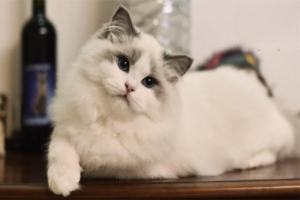
Why Does Your Cat Have One Eye Smaller Than the Other?
A cat with uneven eyes is not always sick; it can be genetic, or from feline herpesvirus (cat flu), an irritant, injury, heat, or an eye disease like conjunctivitis. Match the sign to other symptoms and see a vet if infection is likely.
My cat’s eyes are red, tearing, and won’t open
Red, tearing, crusty, closed eyes usually mean irritant (dust, fur) or bacterial/viral eye disease. If no fever or appetite loss, rinse with saline, wipe crust, then apply neomycin sulfate drops 4-6 times daily, with a collar to stop rubbing. Feed light food; if no relief in days, see a vet.
What happens if a kitten gets feline panleukopenia (cat plague)?
Panleukopenia is highly contagious and often fatal, infecting cats. Kittens show high fever, vomiting, diarrhea, dehydration, electrolyte imbalance, poor appetite, breathing difficulty, sleepiness, red eyes, more eye discharge, weakness; some have respiratory signs. Take to a vet at once; no specific cure, only supportive and symptomatic care to boost immunity.
How can I tell if a dog is sick?
A sick dog may show many symptoms depending on the disease — abnormal mental state, fever, difficulty breathing, diarrhea, vomiting, runny nose, tearing, stiff or painful limbs, unwillingness to move. If you notice any such signs, take it to the vet promptly. Also, when buying a dog, go to proper pet stores or breeders to avoid 'week-old' sick dogs.
I just bought this cat; I didn’t notice the eye, but it has discharge and won’t open fully. What is wrong?
Eye discharge and trouble opening can be bacterial, foreign-body, or viral eye disease; see a vet to confirm before choosing medicine. If no fever or appetite loss, clean with saline and apply antibiotic drops like neomycin sulfate 4-6 times daily, with an Elizabethan collar.