Search Results
827 results for “fever symptoms”
My cat’s belly has been swollen and soft for two days, no poop for two days, no fever, no loafing, but it drank water frequently at noon today
A swollen, soft belly with reduced defecation can be a sign of wet-form FIP (feline infectious peritonitis), caused by a mutated coronavirus that produces fluid buildup. Early FIP signs include stubborn fever, rough coat, loafing, appetite loss, and weight loss. Watch for these and see a vet early if unsure.
What are the symptoms of canine parainfluenza?
Typical: fever, cough, runny nose, sneezing, lethargy, anorexia. Airborne, contagious; isolate and see a vet. Mainly infects puppies, acute/severe/fast-spreading; get pups to a vet fast.
What are the symptoms of uterine inflammation in a Teddy bear dog?
Uterine inflammation is acute or chronic. Acute occurs 1-3 days post-whelping: fever, lethargy, anorexia, vaginal discharge of mucus/blood/pus with foul odor; severe cases cause mastitis (swollen breasts, refusal to nurse). Chronic: thinness, white serous discharge, little change in spirits/appetite.
My cat has no energy after a fever, eats and drinks but is uninterested in everything else
Fever usually brings poor appetite, lethargy, dry nose, and weakness, but the fever itself is abnormal, typically from infection or contagious disease, so see a vet to find the cause. If you cannot go at once, cool it physically with alcohol swabs or ice on paw pads and ear tips; a temperature above 39.5 C is fever, and persistent fever needs hospital tests for panleukopenia, FIP, pneumonia, and leukemia.
For a dog in mid-to-late distemper with low fever, weakness, and mild seizures, what are its chances of survival?
Distemper is a severe viral disease with low cure rate and strong contagion. In mid-to-late or late stage the cure rate is low, around 20 percent. With neurologic signs such as seizures, it is likely mid-to-late stage, and without strong medical support the dog may not last long, though good appetite and active treatment offer a slim hope, often with lifelong aftereffects.

Cat Indigestion: Symptoms and Solutions
Cat indigestion usually stems from poor feeding habits and shows up as vomiting, diarrhea, appetite loss, or foul-smelling stool. Mild cases improve with short fasting and pet probiotics, while persistent or feverish symptoms need a vet check. This guide walks through the common signs and practical fixes.
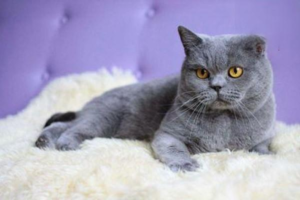
Symptoms and Treatment of Cat Pneumonia
Although cat pneumonia is not COVID-19, it is still very dangerous. Treat early or the cat may die. Our team explains its symptoms and treatment.

Symptoms and Treatment of Indigestion in Dogs
Dog indigestion usually comes from improper feeding. Signs include vomiting and diarrhea, abdominal pain with dehydration, and—if gastroenteritis is the cause—a fever. Treat with a 12-hour fast plus pet probiotics, feed on a regular schedule in small meals, and see a vet if it has not improved in 2–3 days.

Parrot Pneumonia: Symptoms and Treatment
Parrot pneumonia often follows untreated colds or arises from dirty, pathogen-heavy environments. Signs include lethargy, loss of appetite, breathing difficulty, and shivering. Treatment focuses on warmth (22-25 C), clean housing, supportive care, and antibiotics such as gentamicin for serious cases.
What are the symptoms of pneumonia in pythons?
Python pneumonia shows as difficulty breathing, coughing, fever, and loss of appetite. Caused by bacterial or viral infection, it can be fatal; early diagnosis and treatment are essential.