Search Results
10 results for “feral cat behavior”

How to Extend Your Cat’s Lifespan
I searched a lot but found no authoritative source stating at what age is a cat elderly. Average house-cat lifespan is 15-18; compared to feral cats, a 7-year-old is already old!

How to Tame a Feral Cat
Taming a feral cat takes time, patience, and above all, trust. Because feral cats are naturally wary of people, the first step is to provide a safe, clean space with reliable food and water—and to feed them yourself so they learn your scent and presence. Speak softly, move slowly, and never use force. Once they relax around you, introduce basic commands with positive rewards, and keep up regular vet checks, vaccinations, and daily grooming. With consistency and care, a frightened stray can become a confident, happy house cat.
Why Do Feral Cats Yowl?
Feral cats yowl frequently due to hunger, mating, or fear. When hungry they meow to beg for food. During estrus they yowl to find mates, and may fight over partners. When frightened they also yowl.
A feral cat tore a chick’s leg off and bit off its rear
This is natural predatory behavior by a feral cat, which hunts small animals for food. Protect chicks with secure enclosures and seek veterinary care for injuries.

Do Cats Take Care of Their Kittens?
Mother cats do care for their kittens—it's instinct. Before birth they seek a clean, safe, undisturbed spot, and after, they lick the kittens to clean them and ensure breathing, keeping them close for warmth and comfort, and later teach litter-box use and hunting. They typically raise kittens until about two months. Tom cats generally don't, lacking that instinct, though they may tolerate them. If a queen is too weak or ill to care, the owner must step in.

Feral vs. Stray Cat: How to Tell Them Apart
Many people mix up feral and stray cats, but they differ in history, behavior, looks, bond with people, and adaptability. A stray was once a pet, abandoned or lost, and lives near homes and people, so it often trusts humans and approaches for food. A feral cat was born and raised wild with little human contact, stays far from neighborhoods, hunts on its own, and is wary or aggressive toward people. Appearance alone is unreliable, both can look thin with rough coats, but strays may seem more eager to return to a home. Because ferals are hard to tame and can be aggressive, approach or adopt them with caution.

Where Do Cats Like to Give Birth?
Cats seek out hidden, warm, quiet places to give birth so they feel safe and undisturbed. At home, a soft-lined box in a calm, warm corner works well — and you should watch for labor signs and get veterinary help if delivery is delayed or looks difficult.

Is Choosing a “Good” Cat Really Necessary?
A cat's temperament comes from breed and from the individual. Ragdolls tend gentle; Chinese Li Hua are independent hunters. Even in one litter, the top kitten is confident and friendly while the outcast may be anxious and spray. Rather than chase a 'good' breed, socialize the cat young—expose it to people and things before three months so it grows up unfazed. Show extra care to outcast kittens, and for semi-feral or highly aggressive adults, keep a respectful distance and just provide food.

How to Prevent Cats from Fighting Each Other
Understanding the underlying cause of feline aggression and addressing it early is key. Cat aggression falls into five types—territorial, fear-based, pain-related, play, and redirected—and each responds to specific environmental changes. Spaying/neutering, pheromones, and enough resources also help.
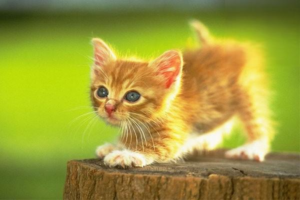
Are Cats Really Smart?
Cats are certainly intelligent—they learn and adjust based on what they discover. Their brains are structurally similar to ours, with the same lobes, neurotransmitters, and five senses. Like us, they have short- and long-term memory, can be trained with food rewards, and may decline with age (Feline Cognitive Dysfunction).