Search Results
358 results for “feline”

Canine and Feline Gingival Epulis
A gingival epulis is a non-cancerous growth arising from the periodontal ligament, most often in dogs over six years old. It causes bad breath, ulceration, and bleeding, and is managed by surgical removal before it damages surrounding bone.

Canine and Feline Infectious Oral Papillomatosis
Infectious oral papillomatosis is a benign viral wart of the mouth caused by a papillomavirus and spread by direct contact, mainly in young dogs. The growths usually regress on their own within a few weeks, though large numbers can interfere with eating.

Canine and Feline Otitis Media and Interna
Otitis media and interna are inflammation of the middle and inner ear, usually arising when severe outer-ear infection spreads inward. Left untreated, inner-ear disease can damage balance and facial nerves and, in the worst case, progress to meningitis.

Canine and Feline Otitis Externa
Otitis externa is inflammation of the outer ear canal, commonly triggered by ear mites, foreign material, or improper cleaning that lets bacteria or fungi take hold. Treatment means cleaning the canal and tackling the underlying cause, with surgery reserved for chronic, end-stage cases.

Canine and Feline Ear Laceration
An ear laceration is a torn wound of the ear flap, usually from fighting, rough play, or prolonged squeezing and friction. Treatment depends on depth — from simple skin closure to separate repair of cartilage and skin — and an Elizabethan collar protects the healing wound.

Canine and Feline Aural Hematoma
An aural hematoma is a pocket of blood that forms between the skin and cartilage of the ear flap, usually triggered by vigorous head shaking or scratching. Small collections may be drained, but most require surgery to prevent a permanently scarred, thickened ear.

Canine and Feline Globe Prolapse (Eye Protrusion)
Globe prolapse occurs when the eye is forced out of the socket, most often from fighting or blunt trauma and especially in short-nosed breeds. Prompt replacement offers the best chance of saving the eye; badly damaged or infected globes may require surgical removal.

Canine and Feline Nasolacrimal Duct Obstruction (Epiphora)
Nasolacrimal duct obstruction blocks normal tear drainage in dogs and cats, causing chronic epiphora (tear overflow) and facial staining. Congenital duct atresia usually needs surgical correction, while acquired obstruction from conjunctivitis or injury is managed by treating the underlying cause.

Canine and Feline Glaucoma: Symptoms, Treatment, and Prevention
Glaucoma is raised pressure inside the eye of dogs and cats from blocked fluid drainage, damaging the retina and optic nerve and risking blindness. It is managed with pressure-lowering drugs and, sometimes, surgery.
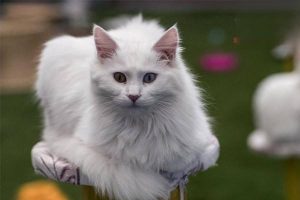
Canine and Feline Cataract: Symptoms, Treatment, and Prevention
Cataract is clouding of the lens in dogs and cats—often in old age or from diabetes, glaucoma, or toxins—that blurs and can destroy vision. Medicines help early stages, but surgery is the main cure.