Search Results
358 results for “feline”

What to Do When Your Cat Has Watery Diarrhea
Watery diarrhea in cats can signal anything from routine enteritis to serious feline panleukopenia, and the right treatment depends on the underlying cause. Bloody stool, vomiting, fever or weakness means urgent veterinary care. Supportive care at home helps only once the cause is identified.

Why Is My Cat Shivering on and Off?
Intermittent shivering is not normal and usually means your cat is cold, unwell, or dealing with something more serious. A cold is the common cause, but lingering tremors can signal nutrient gaps or a neurological problem. Persistent or unexplained shaking should be checked by a vet.

Cat Has Had Yellow Nasal Discharge for Six Months
Persistent yellow nasal discharge in cats usually points to a chronic upper-respiratory infection such as feline viral rhinotracheitis, or less commonly pneumonia. When the symptom has lasted six months, the condition is well established and needs a proper veterinary work-up rather than guesswork. Supportive home care can ease discomfort, but lasting or recurring discharge warrants diagnostic testing.
My kitten has a fungal infection — how should I treat it?
For a feline fungal infection, apply a vet-recommended antifungal cleanser then a vet-recommended topical skin ointment to the spot. Cat ringworm shows hair loss, scabs, itching, red patches, and dandruff — frequent scratching early, clear skin signs later.

What to Do When Your Cat Sneezes Blood
Blood in a cat's sneeze points to parasites or feline rhinotracheitis (cat flu) — both need a vet check. Deworm for parasites; for rhinotracheitis, treat the virus with eye drops and vet-prescribed medication plus immune support.
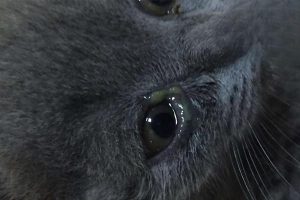
Will a Cat Die from Pus-Like Eye Discharge?
Pus-like eye discharge itself isn't fatal, but the diseases behind it can be — feline distemper (panleukopenia), rhinotracheitis (cat flu), and calicivirus all produce crusty, pus-like eye discharge. The underlying illness, not the eyes, is the real danger.

What to Do When Your Cat Has a Respiratory Infection
Feline respiratory infections bring sneezing, nasal discharge, congestion, and coughing, and need prompt care. Mild cases respond to supportive treatment, while yellow discharge points to a more serious upper-respiratory infection.
My cat suddenly has a runny nose with yellow discharge. Is this a cold, and should I give it medicine?
Cats do not normally have nasal discharge; when they do, illness is usually the cause. Yellow discharge often points to a cold, typically alongside sneezing, coughing, and fever. A cat-specific cold medicine is the usual treatment once a cold is confirmed.
- « Previous
- 1
- …
- 34
- 35
- 36