Search Results
358 results for “feline”

Is My Kitten’s Red Eye an Infection?
A young kitten's red, inflamed eye usually comes from a weak immune system or a bacteria-heavy environment. See a vet early and use a vet-recommended eye drop, while keeping the kitten's space clean and warm.

Why Is My Kitten’s Eye Suddenly Swollen?
A suddenly swollen eye can mean a viral infection like distemper, contagious conjunctivitis, or a simple bacterial infection. Each needs a different approach, so identify the cause first — antibiotic drops for infection, vet care for anything with other symptoms.
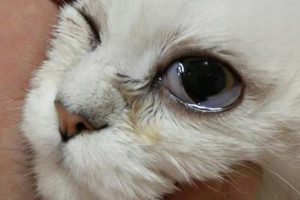
What Illness Causes a Cat to Tear Constantly?
Constant tearing usually signals an eye problem or body issue — infection, a cold, keratitis, blocked tear ducts, or feline herpesvirus (cat flu). Long facial hair, salty food, and injury also trigger it. A low-salt diet, gentle cleaning, and vet-prescribed drops manage most cases.
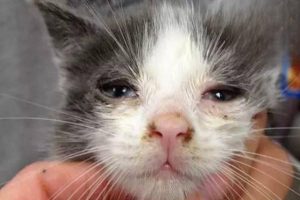
What to Do When Your Cat Has Cat Flu
Cat flu (feline rhinotracheitis) is often mistaken for a cold but is a viral upper-respiratory infection that can kill if ignored, especially in kittens. Antiviral and lysine support plus a clean, low-dust environment are the main care steps.

How to Treat a Kitten That Gasps Like It’s Having an Asthma Attack
A kitten that gasps like it's wheezing usually has feline asthma — chronic bronchitis or bronchial asthma, mostly allergic. Triggers include dust, pollen, and irritating food or gut blockage. Mild cases need calm, slow water, and probiotics; allergic attacks need vet-prescribed cough and phlegm relief, plus reduced dust and a healthy weight.
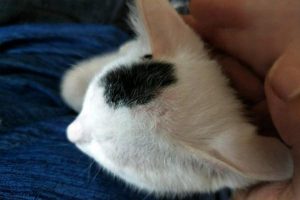
What Those Hard Lumps on a Kitten’s Head Mean
A hard, painless white lump on a kitten's head that neither grows nor fades is often a sign of ringworm. Ringworm comes from contact with fungi like Microsporum canis or Trichophyton, thriving in damp, dirty places. It causes scaly spots and hair loss, is contagious to people, and needs vet care plus topical antifungal ointment and good hygiene.

What to Do When a Kitten Has Heavy Eye Discharge and Can’t Open Its Eyes
Heavy eye discharge and eyes that won't open in a kitten usually point to neonatal conjunctivitis or feline rhinotracheitis (cat flu), though rich, greasy food can also be the cause. Each needs a different approach: gentle cleaning and antibiotic drops for infection, and prompt vet care plus antiviral support for cat flu. Act early to avoid worse disease.

Symptoms of Upper Respiratory Infection in Cats
Feline upper respiratory infection (URI) hits the nose and throat and shows as fever, sneezing, watery eyes, runny nose, red eyes, cough, hoarse voice, poor appetite, and sleepiness. Most cases are viral (herpes or calicivirus) and need antibiotics plus vet care; vaccination is the best prevention, especially for kittens.

Kitten With Pus in the Eyes, Can’t Open Them, and Sneezing
A kitten with pus-filled eyes, stuck-shut lids, and sneezing is often fighting feline herpesvirus (rhinotracheitis), not just a cold — and it can be fatal if ignored. Isolate and disinfect the space, give lysine and vet-prescribed antibiotics, and use eye drops for the conjunctivitis. Act quickly, since kittens have little immunity.
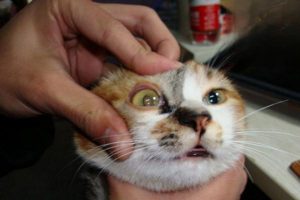
What to Do When Your Cat Has Watery Eyes and Sneezes
Watery eyes and sneezing in cats are usually a simple cold, feline herpesvirus (rhinotracheitis), or allergic rhinitis — not always panleukopenia, as many owners fear. Matching the cause to the right care matters, and severe or low-energy cases need a veterinarian. Keep the environment dust-free and ask your vet about helpful supplements.