Search Results
134 results for “feline oral disease”

Diagnosing and Treating Feline Hypoglycemia
Feline hypoglycemia is diagnosed from clinical signs plus low blood glucose (ketones in urine are a key clue), with X-rays hinting at liver disease. Treatment centers on restoring sugar — IV glucose for sick cats, oral glucose if they can keep it down — plus diet adjustment, B vitamins, fluids, and antibiotics to prevent secondary infection.

Feline Pyoderma: Symptoms and Treatment
Pyoderma is a common bacterial skin infection in cats, often triggered by a damp environment or parasites. It ranges from superficial pustules to deep, painful infections. Diagnosis starts with a skin scrape at the vet, and treatment combines antibacterial care, wound cleaning, environment improvement, and regular deworming.

Symptoms and Treatment of Common Viral Infectious Diseases in Dogs and Cats
Viruses need host cells to multiply, then spread via blood and lymph causing infection. Here are common viral diseases in dogs and cats.

Common Oral Diseases in Dogs and Cats: Symptoms and Medication
Dogs and cats cannot brush daily, so oral problems like stomatitis, periodontitis and gingivitis are common, with bad breath and ulcers and, if severe, eating difficulty. Here is what to know.

Can Cats Get Fatty Liver Disease?
Fatty liver, or hepatic lipidosis syndrome, is the most common liver disease in cats; obesity is the main trigger. It is highly fatal, so treat promptly. Here we introduce symptoms and treatment.

What Is Feline Urolithiasis (Cat Urinary Stones)?
Feline urolithiasis (urinary stones) is a painful lower-urinary-tract disease. Signs are frequent small urine, blood, genital licking, painful cries, and inappropriate urination; a blockage is fatal in 48–72 hours. Treat with catheterization, meds, water, and Rx food.
What medications are used to treat feline rhinotracheitis?
Common drugs include feline interferon, acyclovir, antibiotics like Clavamox or doxycycline, and antiviral eye drops. Mild cases take oral antivirals; severe cases need interferon injections plus antibiotics at a vet.

Feline Hepatic Lipidosis: Causes and Treatment
Fatty liver, also called hepatic lipidosis, is an endocrine disorder from impaired liver cells. In cats it's often triggered by anorexia, obesity, or stress. This article details it.
What disease causes mucus to drip from a cat’s mouth?
Mouth mucus often points to oral disease — ulcers, swollen gums, tartar, or loose teeth. Use pet oral spray and metronidazole for gum/ulcer issues and feed soft food; tartar needs a dental cleaning. Viral infections (herpes, calicivirus) can also cause stomatitis.
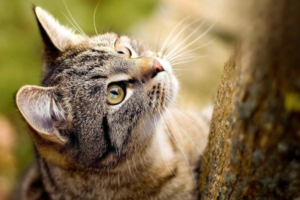
Diagnosing and Treating Feline Idiopathic Cystitis (FIC)
Feline idiopathic cystitis, or FIC, is a common lower-urinary-tract disease in cats whose exact cause is still unknown, yet it is the single most frequent diagnosis in young cats, affecting roughly 50 to 60 percent of cases. It is linked to a defective bladder lining, nerve-driven inflammation, and stress. Because there is no single definitive test, veterinarians diagnose it by exclusion, using the history, urinalysis, blood chemistry, and ultrasound. Most episodes ease on their own within five to seven days, but treatment focuses on pain relief, protecting the bladder lining, litter-box management, more water, prescription food, and reducing stress.