Search Results
134 results for “feline oral disease”

Common Feline Oral Diseases and Care
The mouth is vital for cats - for food, water, and defense. Oral disease makes survival hard.

Feline Glaucoma: Symptoms and Treatment
Glaucoma in cats comes from blocked drainage of aqueous humor, raising eye pressure and pressing on the optic nerve and retina, which causes pain and vision loss. Congenital cases have a faulty drainage angle, while secondary cases follow inflammation, tumors, trauma, or a dislocated lens; signs range from a cloudy, enlarged eye and dilated pupil to sudden redness and pain, and any vision lost is permanent — so pressure must be controlled early with drops or surgery.
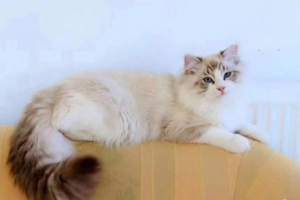
Can Feline Stomatitis Be Cured?
Feline stomatitis can be cured when the underlying cause is treated — it ranges from vitamin deficiency and mouth injuries to calicivirus, FeLV/FIV, kidney disease, or hypothyroidism. Signs are drooling, foul breath, and red or ulcerated gums; care combines wound or antibacterial mouth sprays, viral support, and prevention through regular brushing and dental cleanings.

Feline Stomatitis: Symptoms, Causes, and Treatment
Feline stomatitis is a blanket term for inflammation anywhere in the mouth, driven by anything from oral injuries and B-vitamin deficiency to calicivirus. Telltale signs are foul breath, red swollen gums, and drooling while eating — and because it is painful, a vet should evaluate any cat showing these signs promptly.
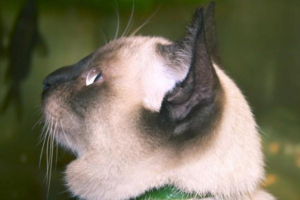
Feline Stomatitis: The Complete Guide
Feline stomatitis is a painful, relapsing inflammation of the whole mouth — gums, oral mucosa, and pharynx — driven by an over-active immune response to plaque and viruses like calicivirus. Signs run from foul drooling and weight loss to a cat that stops grooming and hides in pain; treatment pairs steroids and antibiotics with dental cleaning, and extracting the premolars and molars resolves or greatly eases symptoms in roughly two-thirds of cats.

Feline Ringworm: Treatment and Care
Feline ringworm is a common fungal skin disease — usually Microsporum canis — that leaves dry, round, scaly patches with broken hair on the face, ears, limbs, and tail, and glows yellow-green under a Wood's lamp. Treat by clipping and medicating beyond the edge, boosting B vitamins and sunlight, disinfecting the environment with diluted bleach, and using clotrimazole for small spots or oral terbinafine for widespread cases, while cutting back on baths.

Feline Lower Urinary Tract Disease
Feline lower urinary tract disease, also known as feline urinary syndrome, is not a precise diagnosis; it includes a series of clinical symptoms: hematuria, frequent trips to the litter box with very little urine each time, difficulty urinating, urethral blockage, anuria, frequent licking of the urethral opening, and irregular urination outside the litter box.

Feline Idiopathic Cystitis (FIC) Explained
Other conditions can cause symptoms like FIC, so they must be ruled out before diagnosing FIC.

Feline Vitamin Deficiency Syndromes
Of the vitamins cats need, some are made by the body, some from food. Lack of a specific vitamin causes a specific deficiency syndrome; long ignored, it can be fatal.

What Is Feline Idiopathic Cystitis (FIC)?
Studies show three most common cat lower-urinary-tract diseases: FIC, urolithiasis, and UTI. The most common is 'FIC' — feline idiopathic cystitis.