Search Results
134 results for “feline oral disease”
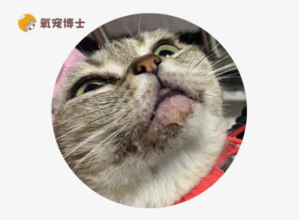
Why Do Cats Get Stomatitis?
Feline stomatitis is a painful, chronic, immune-driven inflammation of the mouth—not just sore gums. Calicivirus and autoimmune disease are the usual triggers, while other viruses, plaque, breed, stress, and poor nutrition add risk. Because it hurts to eat, cats waste away, so finding the cause matters; for stubborn cases, full-mouth extraction often brings lasting relief.

Home Care for Cat Ringworm: Practical, Low-Cost Treatment
Ringworm, or dermatophytosis, is a fungal skin infection in cats caused mainly by Microsporum canis. Mild cases respond to topical antifungals, B-vitamin support, sunlight, and environmental disinfection, while widespread disease needs medicated baths and veterinary-directed oral antifungals.

Vitamin E Deficiency in Dogs and Cats
Vitamin E deficiency in dogs and cats, often with selenium lack, causes skeletal muscle degeneration, reproductive failure, and in cats cerebellar ataxia, plus a fat-tissue inflammation known as yellow fat disease. It is corrected with dietary vitamin E and treatment of any gut disease.

Demodicosis in Dogs and Cats (Demodectic Mange): Symptoms, Treatment, and Prevention
Demodicosis is a skin disease caused by Demodex mites living in hair follicles and oil glands, producing localized or widespread hair loss, redness, and scaling. Most dogs carry the mites harmlessly, but stress, illness, or immune weakness allows outbreaks that need veterinary antiparasitic treatment.

Aspergillosis in Dogs and Cats: Symptoms, Treatment, and Prevention
Aspergillosis is a zoonotic disease caused by several Aspergillus species. In dogs and cats it is mainly Aspergillus fumigatus infection of the bronchi and lungs, called canine/feline aspergillosis.

Pasteurellosis in Dogs and Cats: Symptoms, Treatment, and Prevention
Pasteurellosis is an acute, feverish infectious disease caused by Pasteurella multocida. The acute form is marked by septicemia and hemorrhagic inflammation (historically called 'hemorrhagic septicemia'); the chronic form shows subcutaneous, joint, and organ abscesses, often mixed with or secondary to other diseases. Chickens are most commonly affected, but cats and dogs can also be infected.

What to Do When Your Cat Sneezes
Cats, like people, sneeze and cough when they have a cold, but sneezing alone does not confirm a cold.

How to Avoid Buying a Sick ‘Week Cat’ (Kitten That Dies Within Days)
Today: 'week cats' - kittens that die days after coming home. What is behind it, and how to avoid buying one?

Essential Home Medicines for Cat Owners
Cat owners often face emergencies like vomiting, eye inflammation, diarrhea, or minor wounds. Keeping some first-aid medicines at home avoids frequent clinic trips and stress for the cat.

Cat Deworming: Methods and Timing
Parasites are among the few cat illnesses you can actually prevent. A regular deworming schedule protects your cat — and since many parasites are zoonotic, it protects you too. Here is what to know about internal and external parasites and when to treat.